Beyond the Basics: Advanced Metrics for Evaluating SLA Compliance
Beyond the Basics: Advanced Metrics for Evaluating SLA Compliance
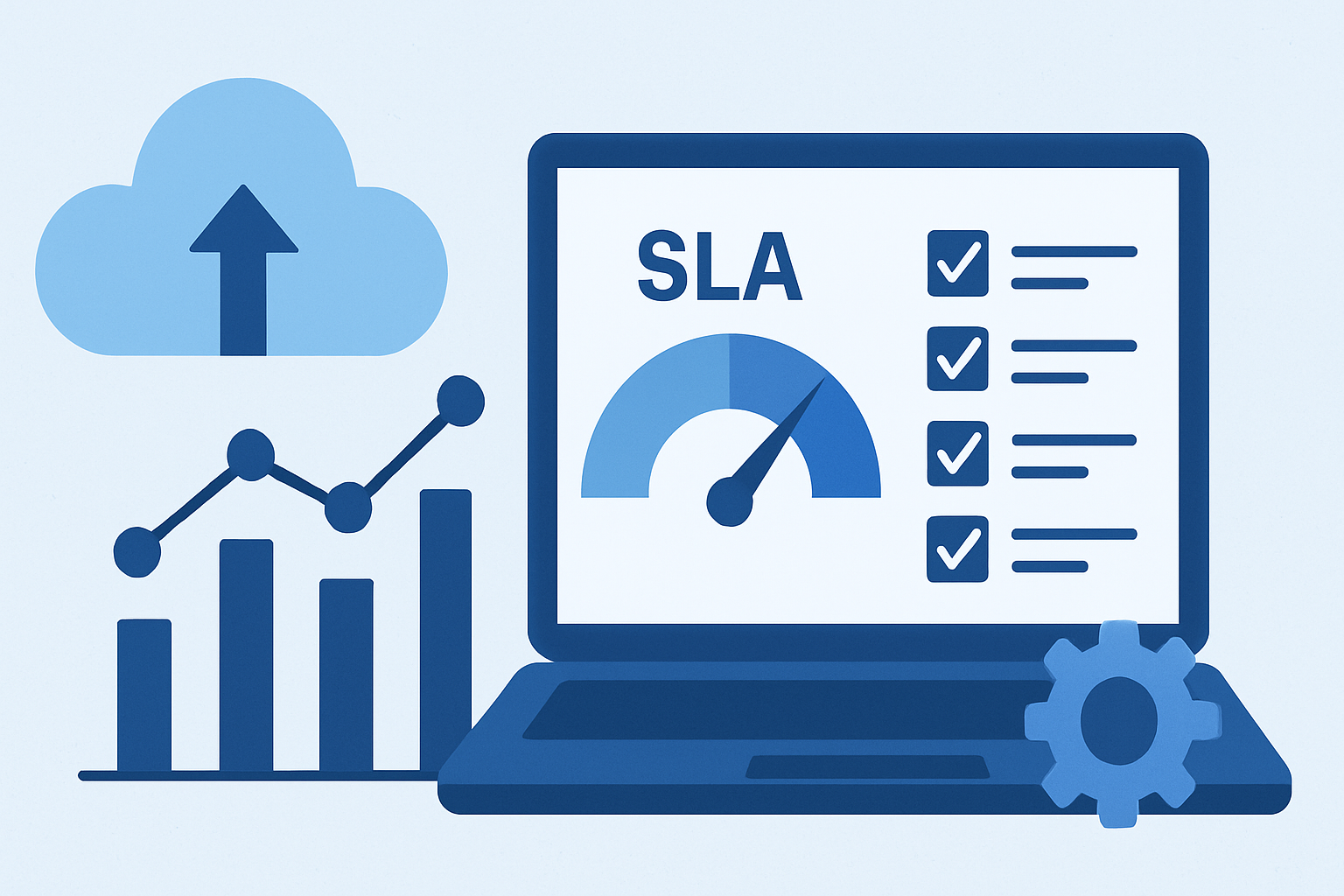
Service Level Agreements (SLAs) are essential tools for defining the expected level of service between providers and clients. While basic metrics like uptime and response time are widely used, advanced metrics provide a deeper insight into SLA compliance and overall service quality. In this article, we will explore several advanced metrics that can help organizations evaluate SLA compliance more effectively.
Understanding SLA Metrics
Before diving into advanced metrics, it’s crucial to understand the basic components of SLAs. Typically, an SLA outlines:
- Service Description
- Performance Metrics
- Responsibilities of Both Parties
- Penalties for Non-Compliance
With this foundation, we can build upon basic metrics to develop a more comprehensive evaluation strategy.
Advanced Metrics for SLA Compliance
1. Mean Time to Repair (MTTR)
MTTR measures the average time taken to repair a failed component or service. This metric is critical for understanding how quickly an organization can respond to issues and restore service. A lower MTTR indicates a more efficient response system, which is essential for maintaining SLA compliance.
2. Mean Time Between Failures (MTBF)
MTBF calculates the average time between service failures. This metric is crucial for assessing the reliability of a service. A higher MTBF suggests that a service is stable and less prone to interruptions, which is a key consideration in evaluating SLA compliance.
3. Service Availability
Service availability not only considers uptime but also incorporates scheduled maintenance and downtime. This comprehensive metric provides a clearer picture of how often services are actually available to users, which is essential for assessing SLA performance.
4. Customer Satisfaction Score (CSAT)
While technical metrics are vital, customer satisfaction should not be overlooked. CSAT measures how satisfied customers are with the service provided. Regularly collecting feedback can help identify areas for improvement and ensure that SLAs align with customer expectations.
5. Net Promoter Score (NPS)
NPS gauges customer loyalty and their likelihood of recommending the service to others. A high NPS indicates strong customer relationships and can serve as a qualitative measure of SLA compliance. If customers are satisfied and willing to promote the service, it reflects positively on the overall performance.
6. Compliance Rate
This metric tracks the percentage of time that service levels meet or exceed the agreed-upon standards. Regularly monitoring the compliance rate helps organizations identify trends and areas for improvement, ensuring that they stay aligned with their SLAs.
Implementing Advanced Metrics
To effectively implement these advanced metrics, organizations should consider the following steps:
- Define Clear Objectives: Establish what you want to achieve with your SLA evaluation.
- Choose the Right Tools: Invest in monitoring and reporting tools that can track these advanced metrics accurately.
- Regular Review: Schedule regular reviews of SLA performance using these advanced metrics to ensure continuous improvement.
- Engage Stakeholders: Involve both service providers and clients in discussions about performance and expectations.
Conclusion
Evaluating SLA compliance goes beyond basic metrics. By incorporating advanced metrics like MTTR, MTBF, service availability, CSAT, NPS, and compliance rate, organizations can gain a more nuanced understanding of their service performance. This comprehensive approach not only enhances SLA compliance but also fosters stronger relationships between service providers and clients. By focusing on these advanced metrics, businesses can ensure they meet their commitments and continuously improve their service delivery.
Este artigo faz parte do nosso blog. Veja-o na lista e descubra mais.
Ver todos os artigosSimplifique o seu apoio ao cliente. Organize tickets, responda mais rápido e mantenha a equipa alinhada.
Agendar Demonstração