Creating an Ergonomic Workspace: Boosting Comfort and Productivity
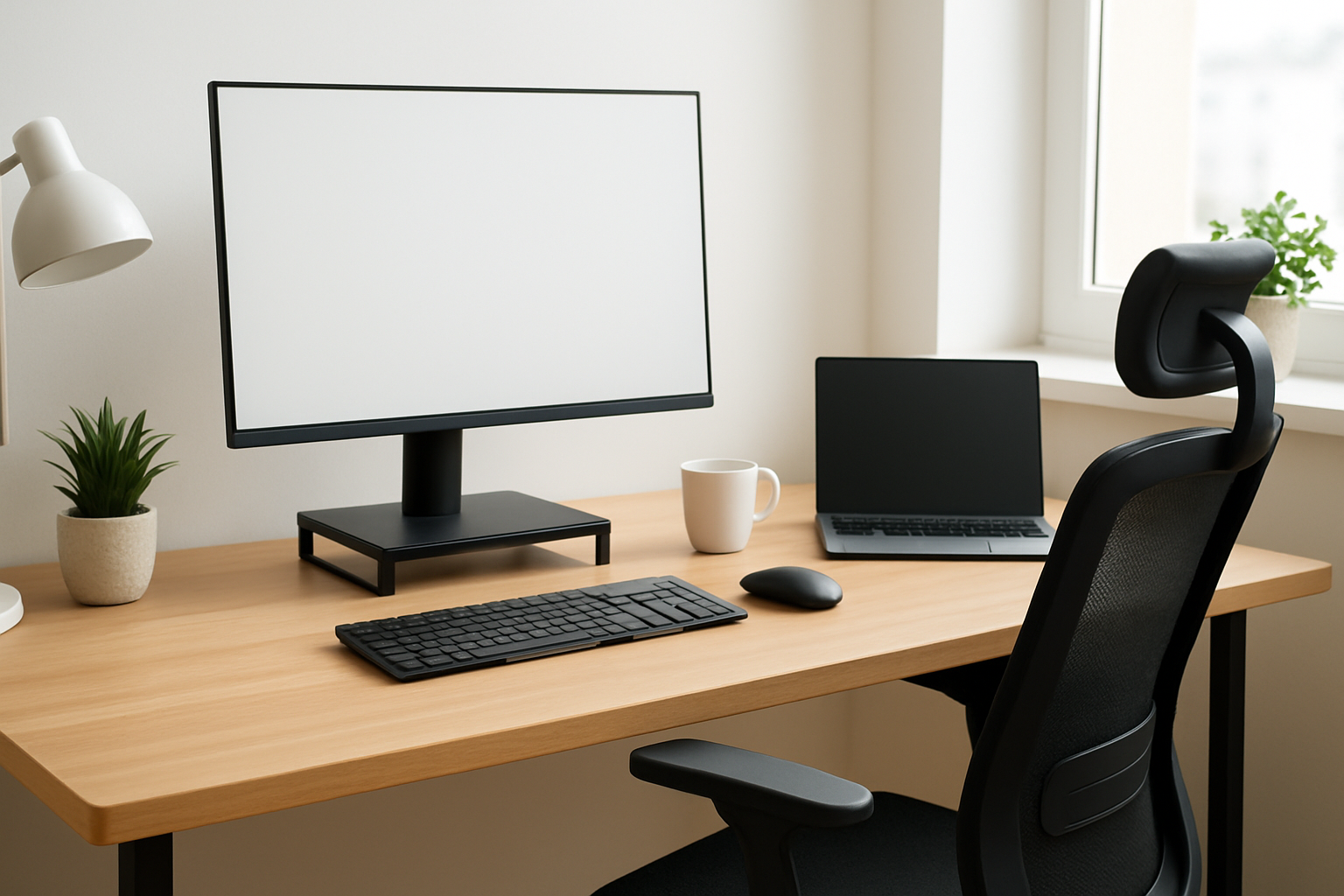
Creating an Ergonomic Workspace: Boosting Comfort and Productivity
In today’s fast-paced work environment, the importance of having an ergonomic workspace cannot be overstated. An ergonomic workspace is designed to maximize comfort and efficiency, allowing individuals to work for longer periods without strain or discomfort. This article will explore key elements of creating an ergonomic workspace that boosts both comfort and productivity.
Understanding Ergonomics
Ergonomics is the science of designing the workspace to fit the user’s needs. It involves understanding how the human body interacts with different tools, furniture, and environments. The goal is to reduce the risk of injury and enhance overall efficiency. Here are some key principles of ergonomics to consider:
- Posture: Maintaining a neutral body position is essential.
- Repetitive motions: Minimize repetitive movements to reduce fatigue.
- Workplace layout: Arrange tools and materials for easy access.
Essential Components of an Ergonomic Workspace
To create an ergonomic workspace, consider the following components:
1. Chair
A good ergonomic chair is crucial. Look for features such as:
- Adjustable seat height
- Lumbar support
- Adjustable armrests
- Seat depth adjustment
2. Desk
Your desk should allow for a comfortable working height. Consider adjustable standing desks, which can help reduce the risks associated with prolonged sitting.
3. Monitor Placement
Monitor screens should be at eye level and about an arm's length away. This helps prevent neck strain and improves posture. Using monitor stands or adjustable mounts can help achieve the ideal height.
4. Keyboard and Mouse
Both keyboard and mouse should be positioned to keep your wrists straight. Consider using ergonomic keyboards and mice to further enhance comfort. A wrist rest can also provide additional support.
5. Lighting
Proper lighting is essential to reduce eye strain. Use natural light when possible, and consider adjustable task lighting for focused work. Avoid glare on screens by positioning monitors away from direct light sources.
Additional Tips for an Ergonomic Workspace
Beyond the main components, here are some additional tips to enhance your ergonomic workspace:
- Take Breaks: Schedule regular breaks to stand, stretch, and move around.
- Organize Your Space: Keep frequently used items within easy reach to avoid unnecessary stretching or twisting.
- Use Footrests: If your feet don’t rest flat on the floor, consider using a footrest for better support.
- Stay Hydrated: Keep water nearby to stay hydrated, which can help maintain energy levels.
Conclusion
Creating an ergonomic workspace is a vital step towards improving comfort and productivity. By investing in quality furniture, adjusting your workspace layout, and following ergonomic principles, you can create an environment that supports your well-being and enhances your work performance. Remember, a comfortable worker is a productive worker!
Este artigo faz parte do nosso blog. Veja-o na lista e descubra mais.
Ver todos os artigosSimplifique o seu apoio ao cliente. Organize tickets, responda mais rápido e mantenha a equipa alinhada.
Agendar Demonstração