From Manual to Automated: The Essential Steps for Business Process Improvement
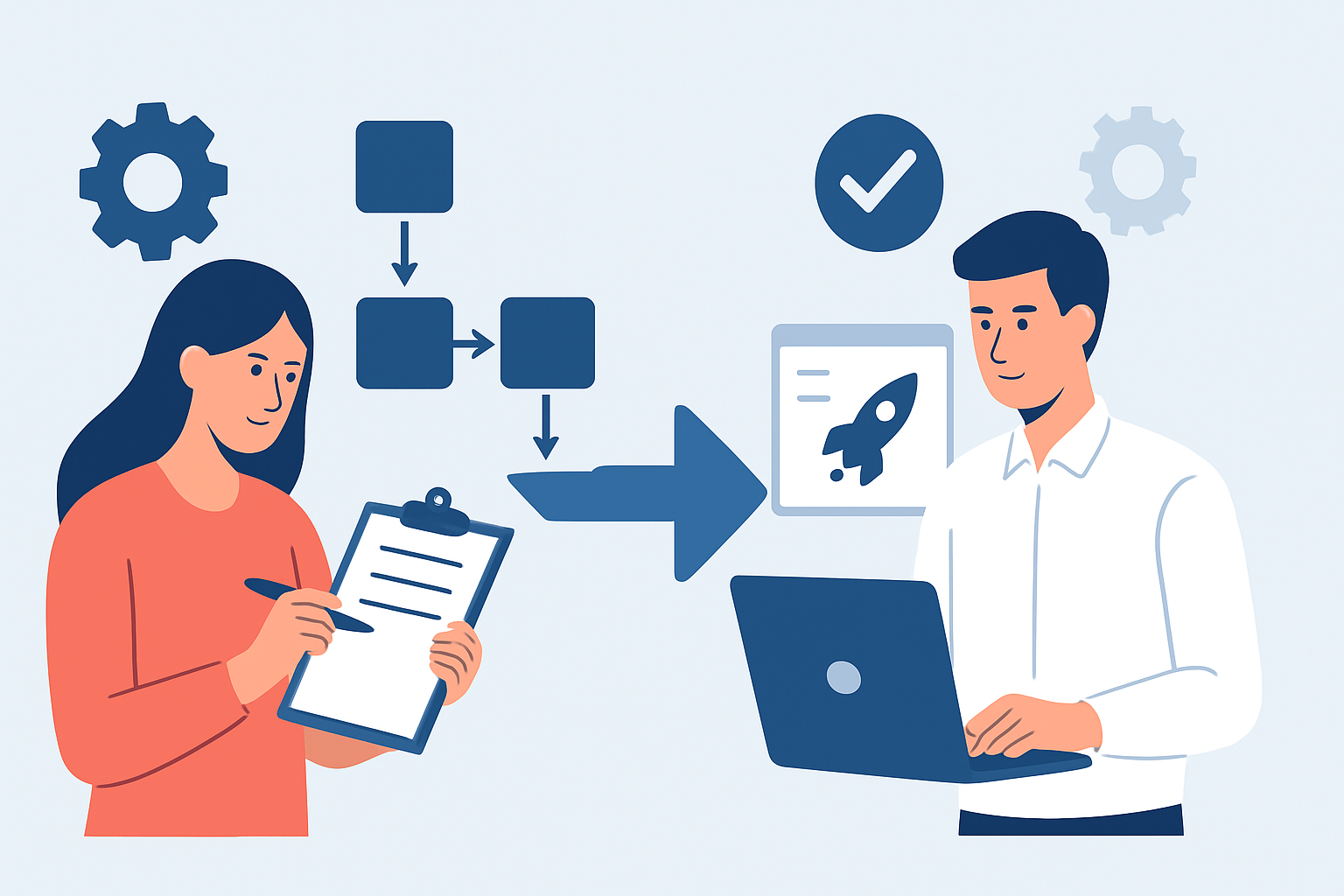
From Manual to Automated: The Essential Steps for Business Process Improvement
In today’s fast-paced business environment, organizations are increasingly looking to enhance their efficiency and productivity by transitioning from manual to automated processes. This shift not only reduces operational costs but also minimizes human error and improves overall service quality. In this article, we will explore essential steps for effective business process improvement, focusing on automation.
Understanding Your Current Processes
The first step in any business process improvement initiative is to gain a thorough understanding of the existing processes. This involves:
- Documenting Current Workflows: Create a detailed map of your current workflows, including all tasks, inputs, outputs, and stakeholders involved.
- Identifying Pain Points: Engage with employees to identify bottlenecks, inefficiencies, and areas that require excessive manual intervention.
- Setting Clear Objectives: Determine what you aim to achieve through automation, such as reduced processing time, cost savings, or improved accuracy.
Evaluating Automation Tools
Once you have a clear understanding of your current processes, the next step is to evaluate potential automation tools that can help streamline these workflows. Consider the following:
- Compatibility: Ensure that the automation tools can integrate with your existing systems and software.
- User-Friendliness: Choose tools that are intuitive and easy for your team to adopt, minimizing the learning curve.
- Scalability: Look for solutions that can grow with your business and adapt to changing needs.
Designing the Automated Workflow
With the right tools in hand, you can now design the automated workflow. This involves:
- Mapping the New Process: Redesign the workflow to incorporate automation, ensuring that all tasks are clearly defined and assigned.
- Testing the Workflow: Conduct thorough testing to identify any issues before full implementation. This may involve pilot programs or simulations.
- Gathering Feedback: Involve team members in the testing phase to gather insights and make necessary adjustments.
Implementing Automation
Once you have tested the new workflow and made necessary adjustments, it’s time to implement the automation. Keep in mind the following:
- Training Employees: Provide comprehensive training for employees on the new system to ensure a smooth transition.
- Monitoring Performance: After implementation, closely monitor the performance of the automated process to ensure it meets the set objectives.
- Continuous Improvement: Establish a culture of continuous improvement by regularly reviewing processes and making adjustments as needed.
Measuring Success
To determine the success of your business process improvement efforts, set up key performance indicators (KPIs) that align with your objectives. These may include:
- Reduction in processing time
- Cost savings achieved
- Improved accuracy and quality of outputs
- Employee satisfaction and engagement levels
Conclusion
The transition from manual to automated processes can significantly enhance your business operations. By following these essential steps—understanding current processes, evaluating automation tools, designing automated workflows, implementing changes, and measuring success—you can drive meaningful improvements within your organization. Embrace automation to not only streamline operations but also to position your business for future growth and success.
Este artigo faz parte do nosso blog. Veja-o na lista e descubra mais.
Ver todos os artigosSimplifique o seu apoio ao cliente. Organize tickets, responda mais rápido e mantenha a equipa alinhada.
Agendar Demonstração