How to Improve Customer Satisfaction Through Effective SLA Management
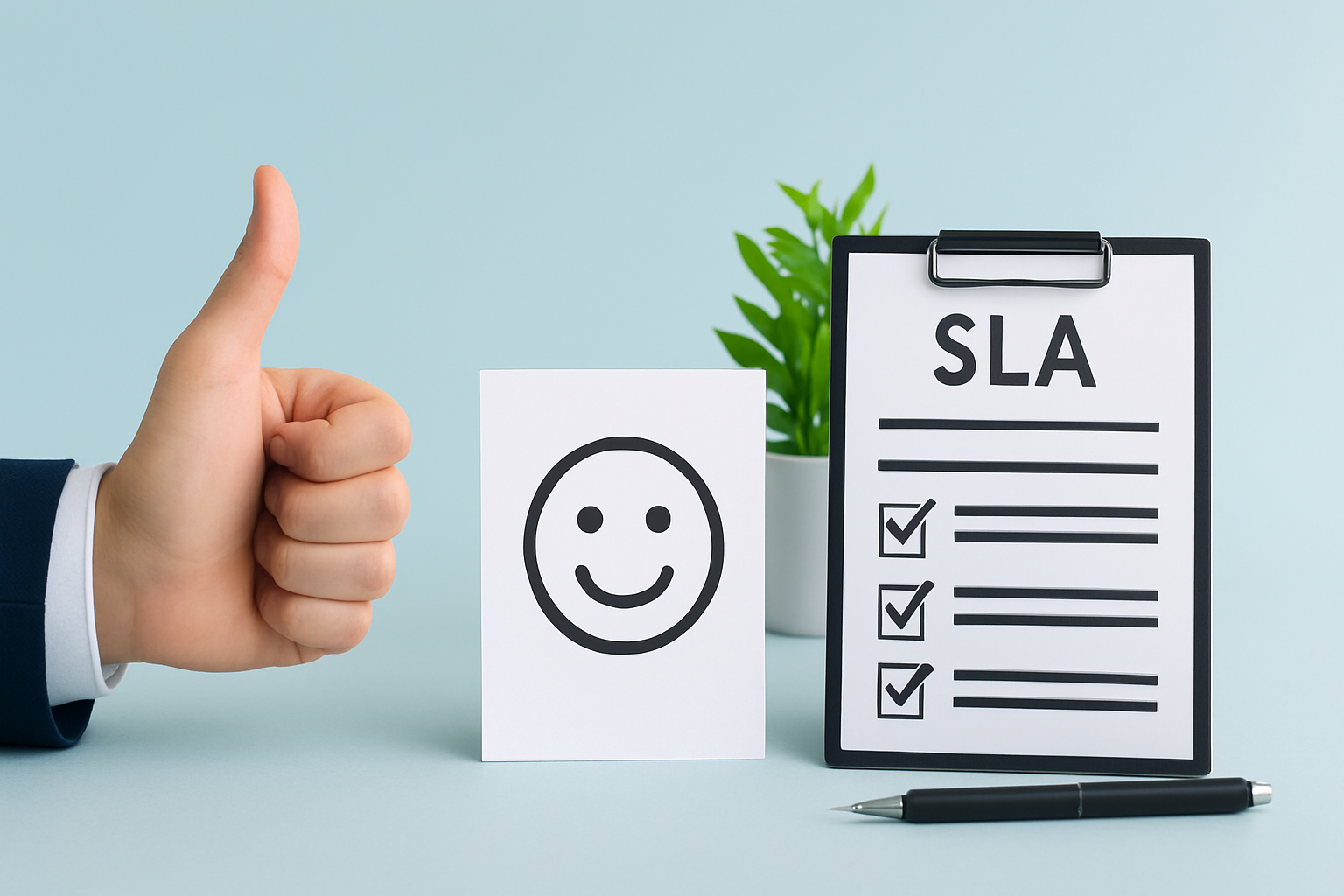
How to Improve Customer Satisfaction Through Effective SLA Management
In today’s competitive business environment, customer satisfaction is paramount. One of the most effective ways to enhance customer satisfaction is through effective Service Level Agreement (SLA) management. SLAs are crucial in defining the expectations and responsibilities between service providers and their customers. This article will explore strategies for improving customer satisfaction by managing SLAs effectively.
Understanding SLAs
A Service Level Agreement is a formal document that outlines the expected level of service between a service provider and a customer. It typically includes performance metrics, responsibilities, and the consequences of failing to meet these standards. Understanding SLAs is the first step in leveraging them to boost customer satisfaction.
Key Components of Effective SLA Management
- Clarity and Transparency: Ensure that SLAs are clear and easily understandable. Customers should know what to expect from the service provider and vice versa.
- Realistic Metrics: Establish achievable performance metrics. Setting unrealistic expectations can lead to disappointment and frustration.
- Regular Reviews: Regularly review and update SLAs to reflect changes in business needs or customer expectations. This ensures that they remain relevant and effective.
- Communication: Maintain open lines of communication with customers regarding SLA terms and any potential issues. This builds trust and reinforces customer relationships.
Strategies to Enhance Customer Satisfaction Through SLA Management
Implementing the following strategies can significantly improve customer satisfaction:
1. Set Customer-Centric Goals
When drafting SLAs, focus on customer needs and expectations. Setting goals that prioritize customer satisfaction will lead to improved service delivery and a better overall experience.
2. Provide Regular Updates on Performance
Keep customers informed about how the service is performing against the SLA metrics. Regular updates can help manage expectations and build confidence in your services.
3. Encourage Feedback
Actively seek customer feedback regarding the SLA and overall service experience. Use this feedback to make informed adjustments to SLAs and improve service quality.
4. Train Staff on SLA Importance
Ensure that all employees understand the SLAs and their importance in customer satisfaction. Training staff to meet SLA requirements can enhance service delivery and improve customer interactions.
Measuring Customer Satisfaction
To determine the effectiveness of SLA management in enhancing customer satisfaction, it is essential to measure customer satisfaction regularly. Consider using the following methods:
- Surveys: Conduct customer satisfaction surveys to gather direct feedback on their experiences related to SLA performance.
- NPS (Net Promoter Score): Use NPS to gauge customer loyalty and likelihood of recommending your services to others.
- Customer Retention Rates: Monitor retention rates as an indicator of overall satisfaction and effectiveness of your SLA management.
Conclusion
Effective SLA management is a powerful tool for improving customer satisfaction. By focusing on clarity, communication, and customer-centric goals, businesses can create a positive service experience that fosters loyalty and trust. Regularly measuring customer satisfaction will help ensure that SLAs continue to meet customer needs and expectations. Ultimately, a well-managed SLA can be the difference between a satisfied customer and one who is likely to seek services elsewhere.
Este artigo faz parte do nosso blog. Veja-o na lista e descubra mais.
Ver todos os artigosSimplifique o seu apoio ao cliente. Organize tickets, responda mais rápido e mantenha a equipa alinhada.
Agendar Demonstração