How to Measure Support Efficiency: Essential SLA Metrics Explained
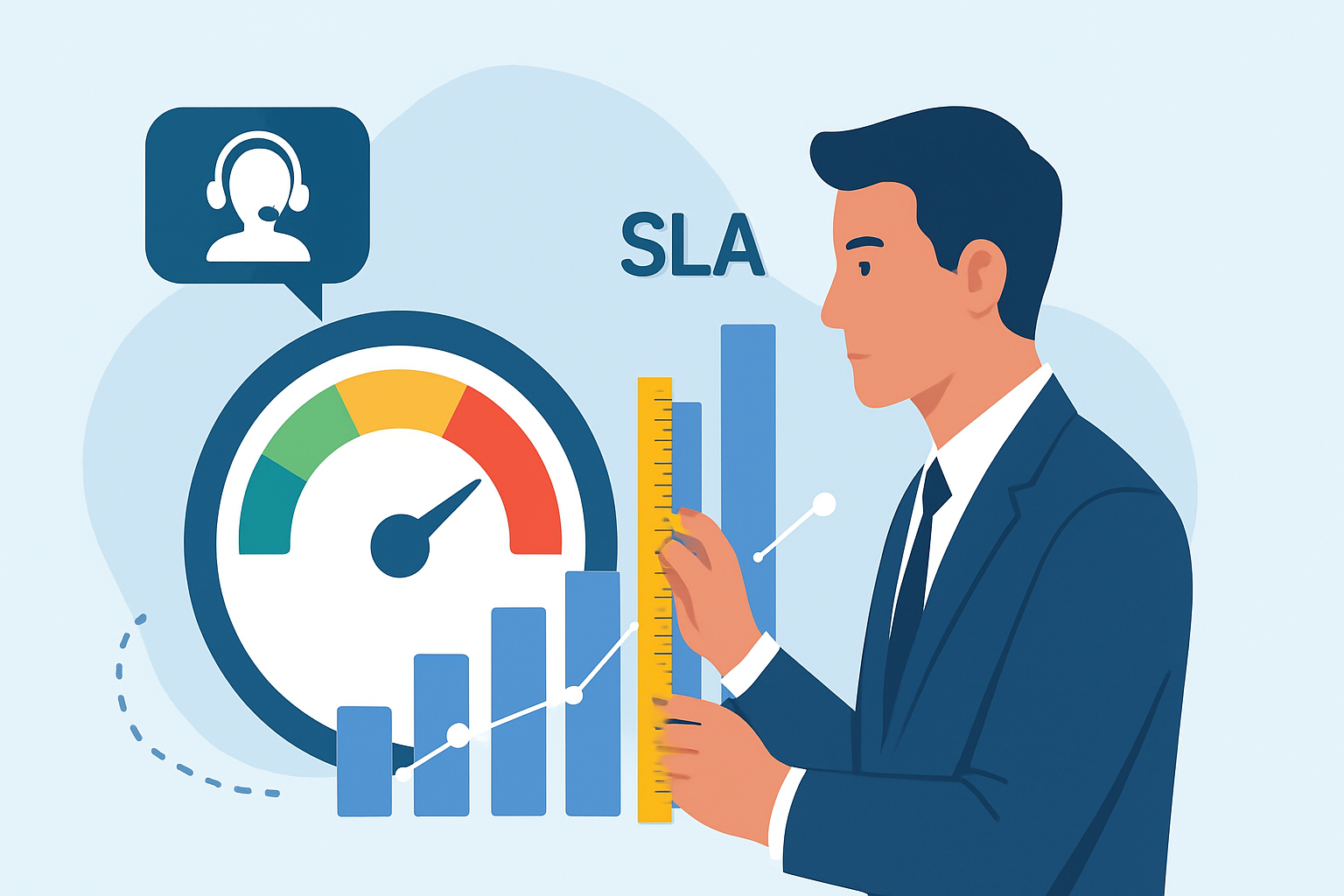
How to Measure Support Efficiency: Essential SLA Metrics Explained
In today's fast-paced business environment, measuring support efficiency is crucial for maintaining customer satisfaction and ensuring operational effectiveness. Service Level Agreements (SLAs) are essential tools that define the expectations between service providers and customers. Understanding the key SLA metrics can help organizations assess their support performance and identify areas for improvement. This article will explore essential SLA metrics and how they can be used to measure support efficiency.
What are SLAs?
Service Level Agreements (SLAs) are formalized contracts that outline the expected service levels between a service provider and a customer. They typically include performance metrics, response times, and resolution times, which help both parties understand their responsibilities and expectations. By clearly defining these metrics, organizations can track their performance and ensure accountability.
Key SLA Metrics for Measuring Support Efficiency
To effectively measure support efficiency, several key SLA metrics should be monitored:
- Response Time: This metric measures the time taken for a support team to acknowledge a customer's request. A shorter response time often leads to higher customer satisfaction.
- Resolution Time: This measures the time taken to resolve a customer's issue from the moment it was reported. Quick resolution times are essential for maintaining customer trust.
- First Contact Resolution Rate (FCR): This metric indicates the percentage of issues resolved during the first interaction with the customer. A higher FCR typically correlates with better support efficiency.
- Customer Satisfaction Score (CSAT): This score is derived from customer feedback and surveys, reflecting their satisfaction with the support received. Regularly measuring CSAT can provide insights into areas needing improvement.
- Ticket Volume: Tracking the number of support tickets received can help identify trends in customer issues and allocate resources more effectively.
- Service Level Compliance: This metric tracks the percentage of tickets resolved within the agreed-upon SLA parameters, highlighting the team's adherence to commitments.
Benefits of Measuring SLA Metrics
Measuring SLA metrics offers several advantages for organizations:
- Improved Customer Satisfaction: By monitoring response and resolution times, organizations can enhance their service delivery and improve overall customer satisfaction.
- Operational Efficiency: Analyzing SLA metrics helps identify bottlenecks and inefficiencies in support processes, allowing for optimization.
- Better Resource Allocation: Understanding ticket volume and types of issues can help organizations allocate resources more effectively and improve team performance.
- Informed Decision-Making: Regularly reviewing SLA metrics enables data-driven decision-making, leading to continuous improvement in support operations.
Conclusion
Measuring support efficiency through essential SLA metrics is vital for any organization aiming to enhance customer satisfaction and operational effectiveness. By focusing on key metrics such as response time, resolution time, and customer satisfaction scores, businesses can gain valuable insights into their support performance. Regularly reviewing and analyzing these metrics will not only help in identifying areas for improvement but also foster a culture of accountability and excellence within support teams.
Investing time and resources in understanding and implementing SLA metrics can significantly impact your organization's success and customer loyalty in the long run.
Este artigo faz parte do nosso blog. Veja-o na lista e descubra mais.
Ver todos os artigosSimplifique o seu apoio ao cliente. Organize tickets, responda mais rápido e mantenha a equipa alinhada.
Agendar Demonstração