Improving Customer Satisfaction Through SLA and Support Metrics
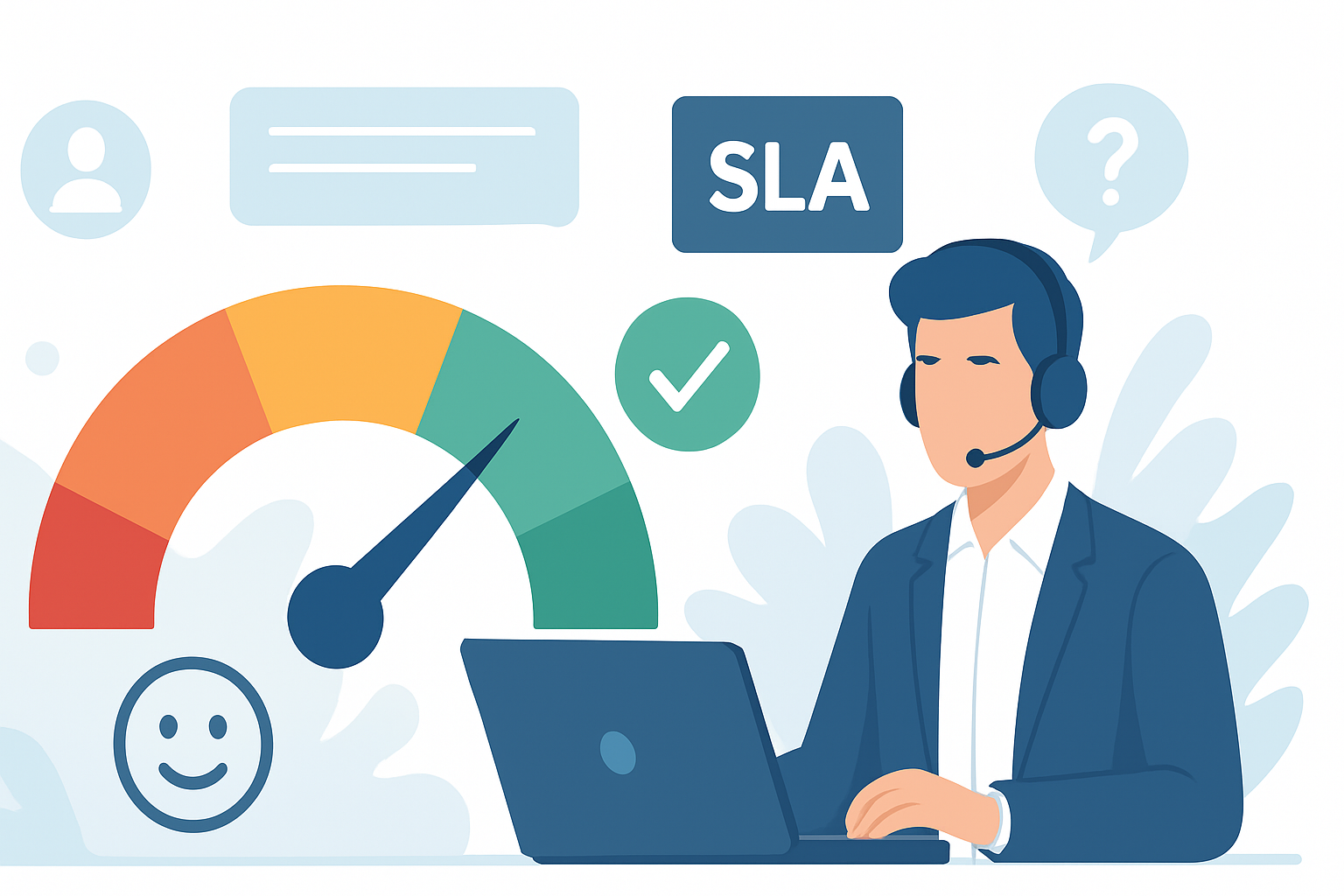
Improving Customer Satisfaction Through SLA and Support Metrics
In today’s fast-paced business environment, ensuring customer satisfaction is more crucial than ever. Companies are continuously looking for ways to enhance their service delivery and meet customer expectations. One effective way to achieve this is through the implementation of Service Level Agreements (SLAs) and support metrics. This article explores how these tools can significantly improve customer satisfaction.
Understanding SLAs
A Service Level Agreement (SLA) is a formal document that outlines the expected level of service between a service provider and a customer. It defines specific metrics, responsibilities, and expectations that both parties agree upon. SLAs serve as a crucial tool for managing customer relationships and ensuring accountability.
The Importance of SLAs in Customer Satisfaction
- Clarity of Expectations: SLAs provide clear guidelines regarding service delivery, response times, and resolution times. This clarity helps customers know what to expect.
- Accountability: By formalizing commitments, SLAs hold service providers accountable for their performance, which can lead to improved service delivery.
- Trust Building: When customers see that a company is committed to meeting its SLA, it builds trust and confidence in the brand.
- Performance Measurement: SLAs allow for the tracking of performance against agreed-upon metrics, which is essential for continuous improvement.
Key Support Metrics to Monitor
To effectively use SLAs in improving customer satisfaction, companies should monitor several key support metrics:
- Response Time: The time taken to respond to customer inquiries is critical. Faster response times often lead to higher customer satisfaction.
- Resolution Time: This metric measures how long it takes to resolve customer issues. Reducing resolution time can significantly enhance the customer experience.
- First Contact Resolution (FCR): This metric indicates the percentage of issues resolved on the first contact. A higher FCR leads to greater customer satisfaction.
- Customer Satisfaction Score (CSAT): This score is typically gathered through surveys and helps gauge customer satisfaction levels after an interaction.
- Net Promoter Score (NPS): NPS measures customer loyalty and the likelihood of recommending the service to others, providing insights into overall customer satisfaction.
Implementing SLAs and Metrics
To effectively implement SLAs and support metrics, companies should consider the following steps:
- Define Clear Objectives: Identify what you want to achieve with your SLAs and select metrics that align with these objectives.
- Engage Stakeholders: Involve both internal teams and customers in the SLA creation process to ensure all perspectives are considered.
- Monitor and Analyze Data: Regularly review performance against SLAs and analyze support metrics to identify areas for improvement.
- Communicate with Customers: Keep customers informed about SLA commitments and any changes to service delivery.
- Continuously Improve: Use the insights gained from monitoring SLAs and metrics to make informed decisions and enhance service quality.
Conclusion
Improving customer satisfaction is an ongoing challenge for businesses. By leveraging SLAs and support metrics, companies can create a structured approach to service delivery that meets customer expectations. Through clarity, accountability, and continuous improvement, businesses can foster stronger relationships with their customers, ultimately leading to increased loyalty and satisfaction.
Este artigo faz parte do nosso blog. Veja-o na lista e descubra mais.
Ver todos os artigosSimplifique o seu apoio ao cliente. Organize tickets, responda mais rápido e mantenha a equipa alinhada.
Agendar Demonstração