Improving Customer Service: The Impact of SLA and Support Metrics on Your Team
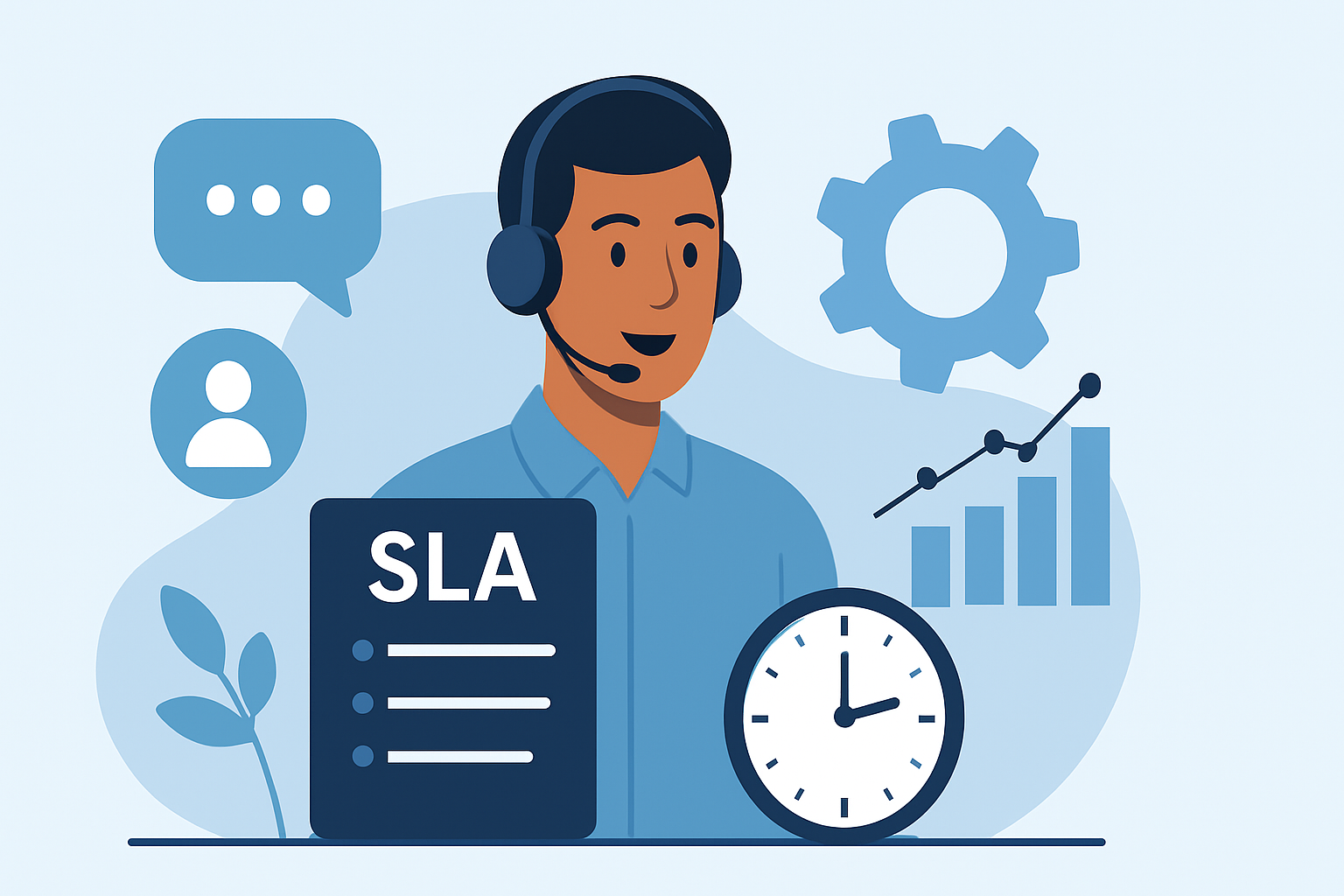
Improving Customer Service: The Impact of SLA and Support Metrics on Your Team
In today's competitive market, providing excellent customer service is essential for business success. One of the key components to achieving this is understanding and implementing Service Level Agreements (SLAs) and support metrics. These tools not only help in managing customer expectations but also enhance the efficiency of your support team. In this article, we will explore the importance of SLAs and support metrics, and how they can significantly impact your customer service operations.
What is a Service Level Agreement (SLA)?
A Service Level Agreement (SLA) is a formal document that outlines the expected level of service between a service provider and a customer. It typically includes specific metrics such as response times, resolution times, and availability of support. SLAs are crucial in setting clear expectations for both parties and serve as a benchmark for measuring service quality.
The Importance of SLAs in Customer Service
- Clarity and Transparency: SLAs provide clear guidelines on what customers can expect regarding service delivery, which builds trust and transparency.
- Performance Measurement: They serve as a standard for evaluating the performance of your support team, allowing for continuous improvement.
- Accountability: SLAs hold both the service provider and the customer accountable, ensuring that both parties understand their responsibilities.
- Customer Satisfaction: By meeting SLA commitments, businesses can enhance customer satisfaction and loyalty.
Key Support Metrics to Track
Alongside SLAs, tracking support metrics is essential for understanding the performance of your customer service team. Here are some key metrics to consider:
- First Response Time: The average time taken for a customer to receive an initial response after submitting a ticket.
- Average Resolution Time: The average time taken to resolve customer issues from the moment they are reported.
- Customer Satisfaction Score (CSAT): A measure of how satisfied customers are with the support they received.
- Net Promoter Score (NPS): A metric that gauges customer loyalty and likelihood to recommend your services.
- Ticket Volume: The number of support tickets received over a specified period, helping to identify trends and workload management.
How SLAs and Metrics Impact Your Team
Implementing SLAs and tracking support metrics can have a profound impact on your customer service team:
- Improved Efficiency: With clear SLAs and metrics in place, support teams can prioritize tasks and allocate resources more effectively, leading to quicker resolutions.
- Enhanced Team Morale: When team members see that they are meeting SLAs and receiving positive feedback from customers, it boosts morale and motivation.
- Data-Driven Decisions: Metrics provide valuable insights that can inform training needs, process improvements, and resource allocation.
- Better Communication: SLAs facilitate better communication between teams and customers, reducing misunderstandings and enhancing collaboration.
Conclusion
In conclusion, improving customer service is a multifaceted endeavor that greatly benefits from the implementation of SLAs and the tracking of support metrics. By setting clear expectations and measuring performance, businesses can enhance their service delivery, foster customer loyalty, and improve team efficiency. As you strive to provide exceptional customer support, consider how SLAs and metrics can play a pivotal role in your strategy.
Investing time and resources in these areas will not only lead to satisfied customers but will also create a more motivated and effective support team, ultimately driving your business towards greater success.
Este artigo faz parte do nosso blog. Veja-o na lista e descubra mais.
Ver todos os artigosSimplifique o seu apoio ao cliente. Organize tickets, responda mais rápido e mantenha a equipa alinhada.
Agendar Demonstração