Maximizing Efficiency: The Role of SLA in Support Metrics Analysis
Maximizing Efficiency: The Role of SLA in Support Metrics Analysis
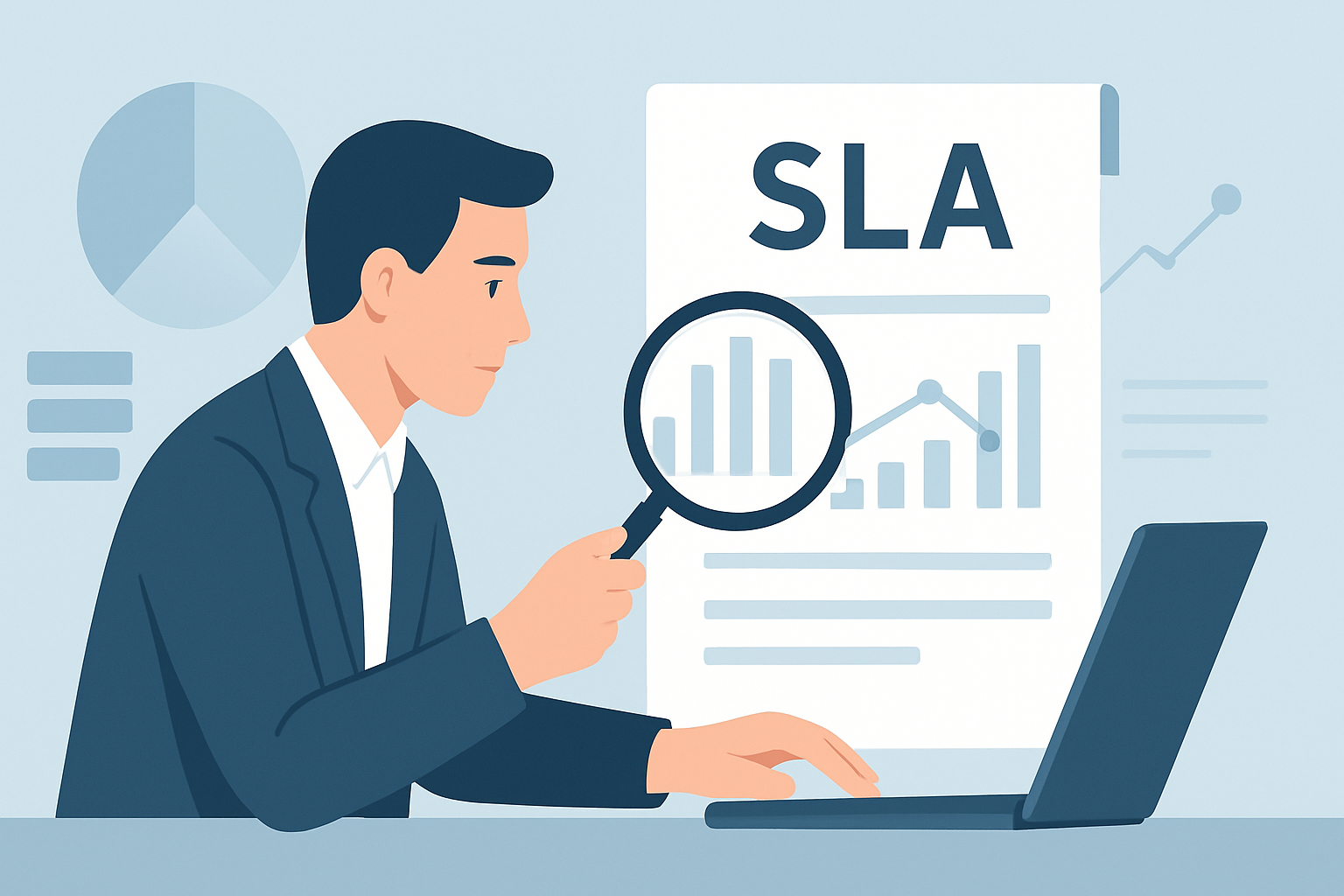
In today's fast-paced business environment, organizations are increasingly relying on Service Level Agreements (SLAs) to enhance their customer support operations. SLAs define the expected level of service between a service provider and a customer, acting as a benchmark for performance measurement. This article explores how SLAs play a crucial role in support metrics analysis and how they can be leveraged to maximize efficiency.
Understanding SLAs
A Service Level Agreement is a formal document that outlines the specific services a provider will deliver, the standards they are expected to meet, and the metrics used to evaluate performance. SLAs typically include:
- Response Time: The time taken to acknowledge a customer inquiry.
- Resolution Time: The time taken to resolve an issue after it has been acknowledged.
- Uptime Guarantees: The percentage of time a service is operational and available to users.
- Customer Satisfaction Scores: Metrics that gauge how satisfied customers are with the service provided.
The Importance of SLAs in Support Metrics Analysis
SLAs serve as a foundational element in support metrics analysis for several reasons:
- Performance Measurement: SLAs provide clear benchmarks that help organizations measure their performance against predefined standards. This allows them to identify areas of strength and weakness.
- Accountability: With SLAs in place, both the service provider and the customer have a clear understanding of expectations, promoting accountability and transparency in service delivery.
- Continuous Improvement: Analyzing support metrics against SLA targets can uncover trends and patterns that can inform strategies for continuous improvement. Organizations can adjust their processes based on data-driven insights to enhance efficiency.
- Customer Trust: Adhering to SLAs builds trust with customers. When customers see that their issues are addressed promptly and effectively, their confidence in the service provider increases.
Leveraging SLAs for Maximum Efficiency
To maximize efficiency through SLAs, organizations should consider the following strategies:
- Regular Review and Adjustment: SLAs should not be static. Regularly reviewing and adjusting SLAs based on evolving business needs and customer feedback can ensure they remain relevant and effective.
- Comprehensive Training: Staff should be trained on the importance of SLAs and how to meet them. Ensuring that all team members understand the metrics and the impact of their performance can drive better results.
- Utilize Technology: Implementing support management software can help automate tracking and reporting of SLA metrics, making it easier to monitor performance in real-time.
- Engage with Customers: Regularly solicit feedback from customers regarding their experiences. This can help organizations fine-tune their SLAs and improve service delivery.
Conclusion
In conclusion, SLAs are essential tools in the realm of support metrics analysis. They not only help organizations measure performance and maintain accountability but also provide a framework for continuous improvement. By leveraging SLAs effectively, businesses can maximize efficiency, enhance customer satisfaction, and ultimately drive their success in a competitive market. Embracing the principles of SLAs can transform the customer support landscape, making it more responsive and customer-centric.
Este artigo faz parte do nosso blog. Veja-o na lista e descubra mais.
Ver todos os artigosSimplifique o seu apoio ao cliente. Organize tickets, responda mais rápido e mantenha a equipa alinhada.
Agendar Demonstração