Measuring Customer Experience: Tools and Techniques for Better Insights
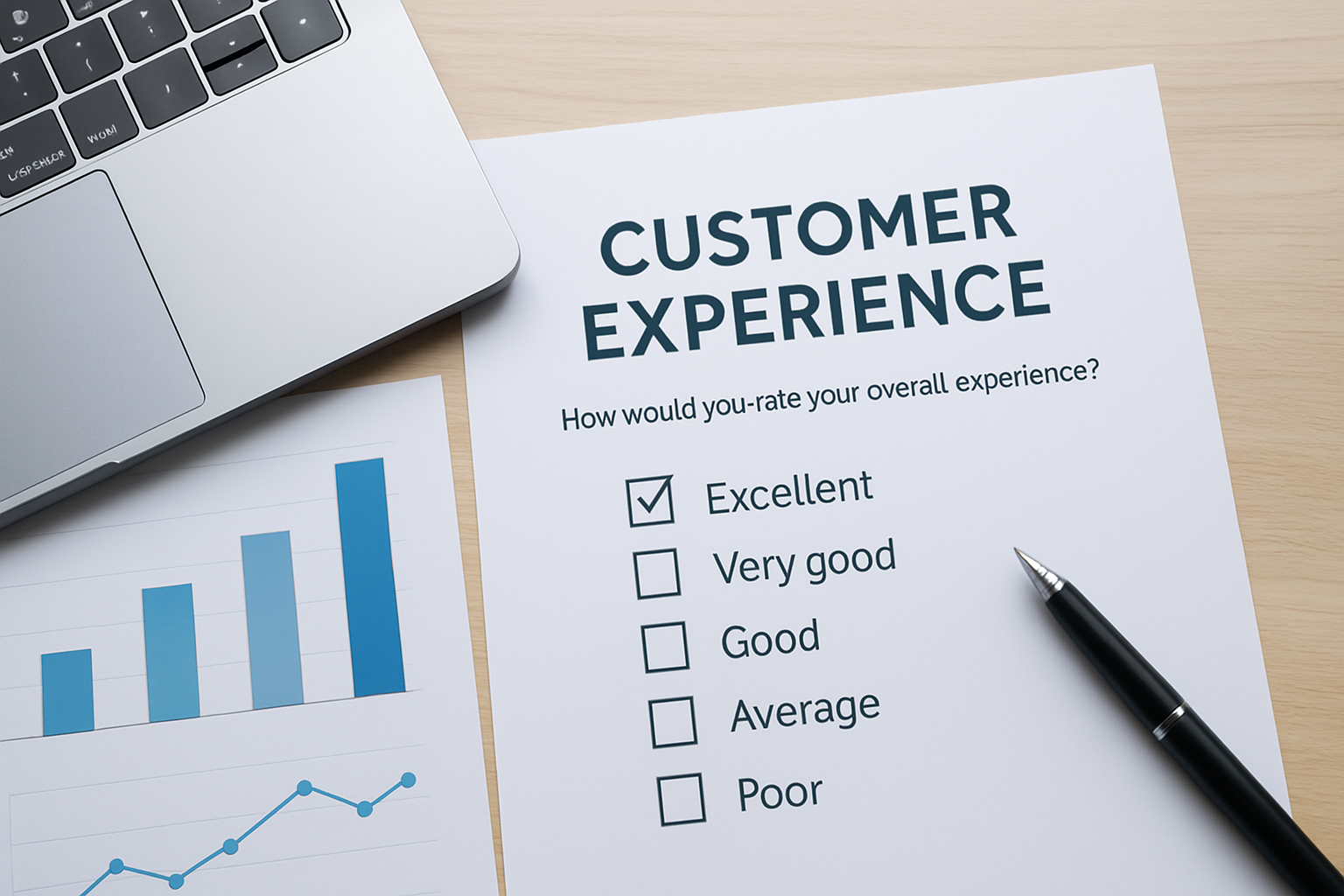
Measuring Customer Experience: Tools and Techniques for Better Insights
In today's competitive market, understanding customer experience (CX) has become crucial for businesses aiming to enhance satisfaction and loyalty. Measuring CX effectively allows companies to gain valuable insights, identify pain points, and improve overall service delivery. This article outlines various tools and techniques for measuring customer experience to help businesses make informed decisions.
Why Measure Customer Experience?
Measuring customer experience is essential for several reasons:
- Improved Customer Retention: Understanding customer pain points helps businesses address issues, leading to increased loyalty.
- Enhanced Customer Satisfaction: By actively seeking feedback, companies can improve their products and services.
- Informed Decision-Making: Data-driven insights allow organizations to make strategic decisions that align with customer needs.
- Competitive Advantage: A strong focus on CX can differentiate a brand from its competitors.
Key Tools for Measuring Customer Experience
Several tools can aid businesses in measuring customer experience effectively:
1. Surveys and Questionnaires
Surveys are one of the most common methods for gathering customer feedback. They can be distributed online, via email, or in-app. Key types of surveys include:
- Net Promoter Score (NPS): Measures customer loyalty by asking how likely customers are to recommend a product or service.
- Customer Satisfaction Score (CSAT): Gauges customer satisfaction with a specific interaction or overall experience.
- Customer Effort Score (CES): Assesses how easy it is for customers to interact with a business.
2. Customer Interviews
Conducting one-on-one interviews allows businesses to delve deeper into customer experiences and gather qualitative insights. These conversations can reveal emotions, motivations, and specific pain points that surveys may not capture.
3. Usability Testing
For businesses with digital products, usability testing is crucial. Observing customers as they interact with a website or app can highlight usability issues and areas for improvement.
4. Social Media Monitoring
Social media platforms are rich sources of customer feedback. Monitoring mentions of your brand can provide real-time insights into customer perceptions and experiences. Tools like Hootsuite and Sprout Social can help track these conversations.
5. Customer Journey Mapping
Mapping the customer journey helps visualize the entire experience a customer has with a brand, from awareness to post-purchase. This technique identifies key touchpoints and potential areas for improvement.
Techniques for Analyzing Customer Experience Data
Once data is collected, analyzing it effectively is crucial. Here are some techniques to consider:
- Thematic Analysis: Identify common themes or patterns in qualitative feedback to understand customer sentiments better.
- Sentiment Analysis: Use natural language processing tools to gauge customer emotions based on their feedback.
- Benchmarking: Compare your CX metrics against industry standards or competitors to identify areas for improvement.
Conclusion
Measuring customer experience is an ongoing process that requires the right tools and techniques. By leveraging surveys, interviews, and social media insights, businesses can gain a comprehensive understanding of their customers' experiences. Analyzing this data effectively allows organizations to make informed decisions that enhance satisfaction and loyalty. In a world where customer expectations are continually evolving, investing in customer experience measurement is not just beneficial; it is essential for long-term success.
Este artigo faz parte do nosso blog. Veja-o na lista e descubra mais.
Ver todos os artigosSimplifique o seu apoio ao cliente. Organize tickets, responda mais rápido e mantenha a equipa alinhada.
Agendar Demonstração