Measuring Customer Experience: Tools and Techniques for Success
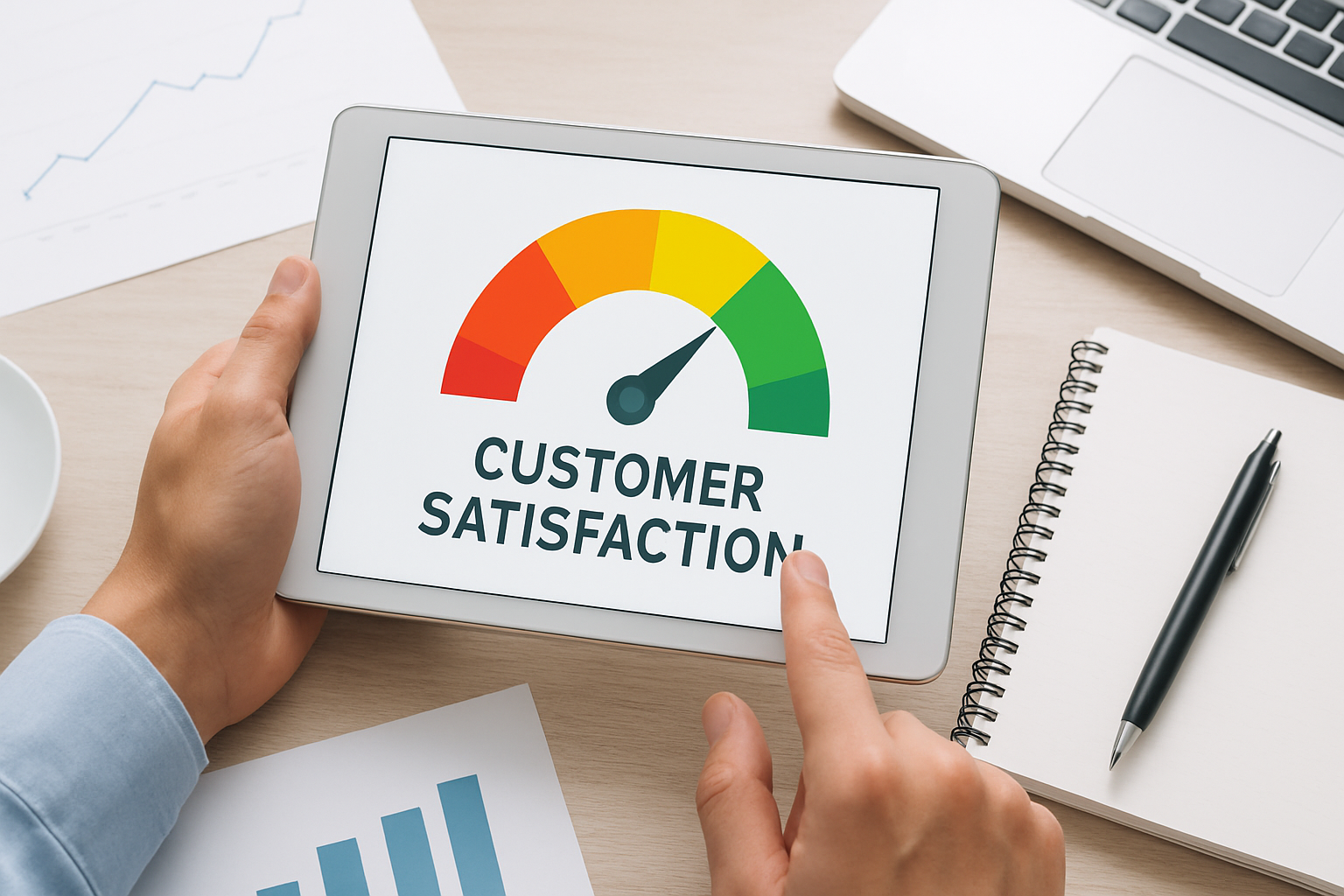
Measuring Customer Experience: Tools and Techniques for Success
In today's competitive marketplace, understanding and improving customer experience (CX) is crucial for businesses looking to thrive. Measuring CX effectively allows organizations to identify areas for improvement, enhance customer satisfaction, and ultimately drive loyalty and growth. This article explores various tools and techniques to measure customer experience successfully.
1. Understanding Customer Experience
Customer experience encompasses every interaction a customer has with a brand, from browsing a website to post-purchase support. A positive CX leads to higher customer satisfaction, while a negative experience can result in lost sales and a tarnished reputation. Therefore, measuring CX is essential for understanding customer perceptions and behaviors.
2. Key Metrics for Measuring Customer Experience
Several key metrics can help organizations gauge customer experience effectively:
- Net Promoter Score (NPS): This metric measures customer loyalty by asking customers how likely they are to recommend a company to others on a scale from 0 to 10.
- Customer Satisfaction Score (CSAT): CSAT measures a customer's satisfaction with a specific interaction or purchase, typically through a short survey after the experience.
- Customer Effort Score (CES): CES assesses how easy it is for customers to interact with a company or resolve an issue, helping identify friction points in the customer journey.
3. Tools for Measuring Customer Experience
There are various tools available that can assist businesses in measuring customer experience:
- Survey Tools: Platforms like SurveyMonkey, Typeform, and Google Forms allow businesses to create and distribute surveys to collect feedback on customer experiences.
- Customer Feedback Software: Tools such as Qualtrics and Medallia provide advanced features to gather, analyze, and act on customer feedback across multiple channels.
- Analytics Tools: Google Analytics and similar platforms help track customer behavior on websites, providing insights into user experience and engagement.
- Social Media Monitoring Tools: Tools like Hootsuite and Brandwatch enable businesses to monitor social media sentiment and feedback related to their brand.
4. Techniques for Gathering Customer Feedback
In addition to using tools, companies can employ various techniques to gather valuable customer insights:
- Direct Surveys: Sending out surveys via email or through websites after a purchase can yield immediate feedback.
- Focus Groups: Conducting focus group discussions allows businesses to gather qualitative insights into customer perceptions and experiences.
- User Testing: Observing customers as they interact with a product or service can reveal usability issues and areas for improvement.
- Customer Interviews: One-on-one interviews can provide in-depth insights into customer expectations and experiences.
5. Analyzing and Acting on Customer Feedback
Collecting data is just the first step; analyzing this data effectively is crucial. Businesses should look for trends and common themes in feedback to identify areas needing improvement. Once insights are gathered, it’s essential to act on them. Implementing changes based on customer feedback can significantly enhance the overall customer experience.
6. Conclusion
Measuring customer experience is an ongoing process that requires the right tools, techniques, and commitment to improvement. By understanding key metrics, utilizing appropriate tools, and actively seeking feedback, businesses can create a customer-centric culture that fosters loyalty and drives success. Investing in customer experience measurement not only benefits customers but also leads to increased revenue and growth for the organization.
Este artigo faz parte do nosso blog. Veja-o na lista e descubra mais.
Ver todos os artigosSimplifique o seu apoio ao cliente. Organize tickets, responda mais rápido e mantenha a equipa alinhada.
Agendar Demonstração