Measuring Success: How SLA and Support Metrics Drive Customer Satisfaction
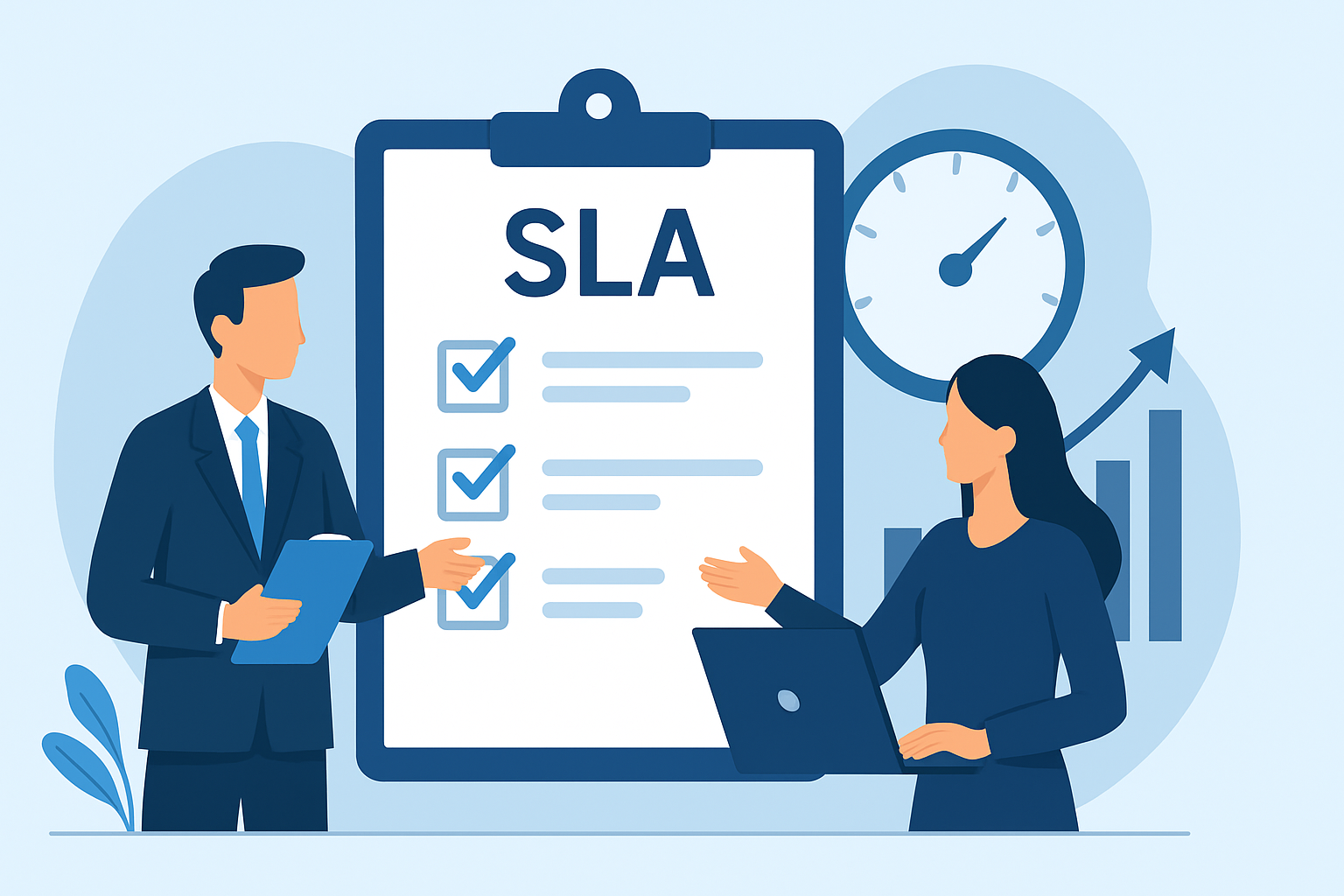
Measuring Success: How SLA and Support Metrics Drive Customer Satisfaction
In today's competitive business landscape, customer satisfaction is more crucial than ever. Companies are increasingly turning to Service Level Agreements (SLAs) and support metrics to gauge their performance and ensure they meet customer expectations. This article explores how SLAs and support metrics can drive customer satisfaction and ultimately contribute to business success.
Understanding SLAs
A Service Level Agreement (SLA) is a formal document that outlines the expected level of service between a service provider and a customer. It sets clear expectations regarding the quality, availability, and responsibilities of the service being provided. SLAs are essential for establishing accountability and transparency in customer support.
The Role of Support Metrics
Support metrics are quantitative measures that help organizations assess their performance in delivering customer support. These metrics can include:
- Response Time: The time taken to respond to a customer inquiry.
- Resolution Time: The duration it takes to resolve a customer's issue.
- Customer Satisfaction Score (CSAT): A measure of customer satisfaction typically gathered through surveys.
- First Contact Resolution (FCR): The percentage of issues resolved on the first contact with the customer.
- Ticket Volume: The number of support requests received within a specific period.
How SLAs and Support Metrics Impact Customer Satisfaction
SLAs and support metrics play a significant role in enhancing customer satisfaction in several ways:
1. Setting Clear Expectations
SLAs provide customers with a clear understanding of what to expect from the service provider. When customers know the guaranteed response and resolution times, they are more likely to feel valued and satisfied when those expectations are met or exceeded.
2. Improving Service Quality
By closely monitoring support metrics, organizations can identify areas for improvement. For instance, if response times are consistently longer than the SLA dictates, teams can investigate the underlying causes and implement strategies to enhance service delivery.
3. Empowering Support Teams
Support metrics empower teams by providing them with the data they need to manage their workloads effectively. With clear performance indicators, teams can prioritize their tasks and focus on resolving issues that impact customer satisfaction the most.
4. Fostering Accountability
SLAs create a sense of accountability among support teams and management. When teams know they are measured against specific metrics, they are more likely to take ownership of their performance and strive to meet or exceed the established standards.
5. Enhancing Customer Communication
Regularly sharing SLA performance and support metrics with customers fosters transparency and builds trust. When customers are informed about how well their service provider is performing, they feel more confident in their choice of provider.
Best Practices for Implementing SLAs and Support Metrics
To maximize the benefits of SLAs and support metrics, consider the following best practices:
- Define Clear and Realistic SLAs: Work with customers to establish SLAs that are achievable and relevant.
- Regularly Review and Update Metrics: Ensure that support metrics remain aligned with business goals and customer needs.
- Train Support Staff: Equip support teams with the necessary training and resources to meet SLA expectations.
- Solicit Customer Feedback: Regularly gather feedback from customers to refine SLAs and support processes.
- Utilize Technology: Implement tools that facilitate the tracking and reporting of support metrics for better insights.
Conclusion
In conclusion, SLAs and support metrics are vital components of a successful customer support strategy. By establishing clear expectations, monitoring performance, and fostering accountability, businesses can significantly enhance customer satisfaction. As organizations continue to evolve, leveraging SLAs and support metrics will be key to remaining competitive and meeting the ever-changing demands of customers.
Este artigo faz parte do nosso blog. Veja-o na lista e descubra mais.
Ver todos os artigosSimplifique o seu apoio ao cliente. Organize tickets, responda mais rápido e mantenha a equipa alinhada.
Agendar Demonstração