Optimizing Customer Experience Through Effective SLA Management and Metrics
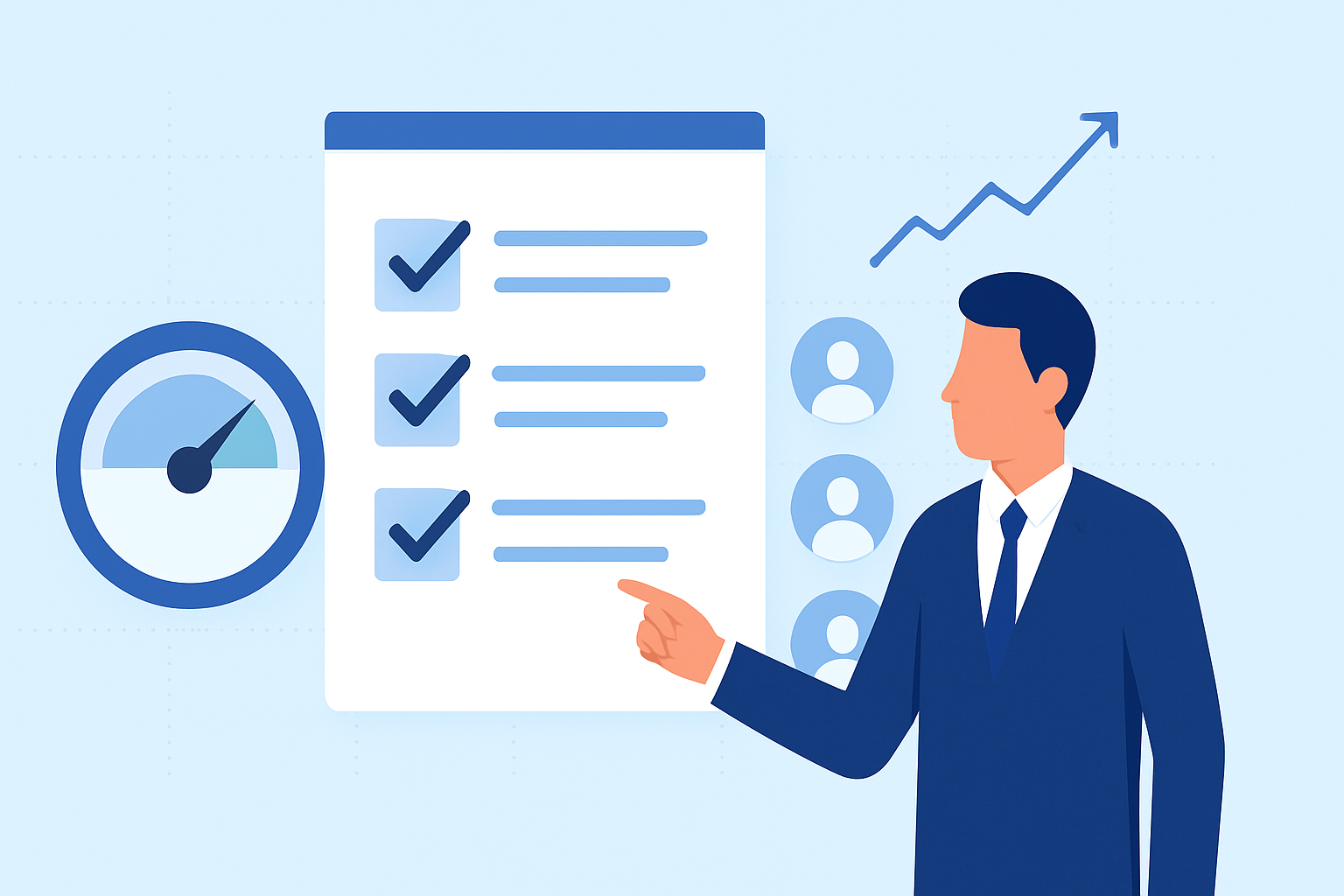
Optimizing Customer Experience Through Effective SLA Management and Metrics
In today's competitive market, organizations must prioritize customer experience to retain and attract clients. One essential aspect of enhancing customer satisfaction is the effective management of Service Level Agreements (SLAs) and the metrics that accompany them. This article explores the importance of SLAs, the key metrics to monitor, and strategies for optimizing customer experience.
Understanding Service Level Agreements (SLAs)
A Service Level Agreement (SLA) is a formal contract between a service provider and a client that outlines the expected level of service. SLAs define various aspects of service delivery, including:
- Response times
- Resolution times
- Availability
- Performance metrics
By setting clear expectations, SLAs help build trust between service providers and customers, ensuring that both parties understand their responsibilities and the standards of service delivery.
Key Metrics for SLA Management
To effectively manage SLAs, organizations should track specific metrics that provide insight into service performance. Here are some critical metrics to consider:
- First Response Time: The time taken to respond to a customer's inquiry or issue. A shorter response time indicates a more efficient service.
- Resolution Time: The duration it takes to resolve a customer's issue. Faster resolution times lead to higher customer satisfaction.
- Service Availability: The percentage of time that the service is operational and accessible to customers. High availability is crucial for maintaining customer trust.
- Customer Satisfaction Score (CSAT): A measure of how satisfied customers are with the service they receive. Regularly collecting CSAT scores can help identify areas for improvement.
- Net Promoter Score (NPS): A metric that assesses customer loyalty by asking customers how likely they are to recommend the service to others.
Strategies for Optimizing Customer Experience
To enhance customer experience through effective SLA management, organizations can adopt the following strategies:
1. Regularly Review and Update SLAs
SLAs should not be static documents. Regularly reviewing and updating them ensures that they align with evolving customer needs and business objectives. Engage with customers to gather feedback and adjust SLAs accordingly.
2. Implement Real-Time Monitoring
Utilizing real-time monitoring tools can help organizations track SLA performance continuously. This enables quick identification of potential issues and allows for proactive measures to be taken before they impact customers.
3. Foster Open Communication
Encouraging open communication with customers can significantly improve their experience. Keeping customers informed about service changes, outages, or delays fosters trust and transparency.
4. Train and Empower Employees
Your employees are the frontline representatives of your service. Providing them with adequate training and empowering them to make decisions can lead to faster resolutions and improved customer interactions.
5. Analyze Metrics and Take Action
Regularly analyzing SLA metrics helps organizations identify trends and areas needing improvement. Use this data to make informed decisions that enhance service delivery and customer satisfaction.
Conclusion
Optimizing customer experience through effective SLA management and metrics is essential for any organization aiming to thrive in a competitive landscape. By setting clear expectations, monitoring key performance indicators, and implementing strategic improvements, businesses can ensure that they meet and exceed customer expectations, leading to greater loyalty and success.
Este artigo faz parte do nosso blog. Veja-o na lista e descubra mais.
Ver todos os artigosSimplifique o seu apoio ao cliente. Organize tickets, responda mais rápido e mantenha a equipa alinhada.
Agendar Demonstração