Optimizing Customer Support: Essential SLA and Performance Metrics
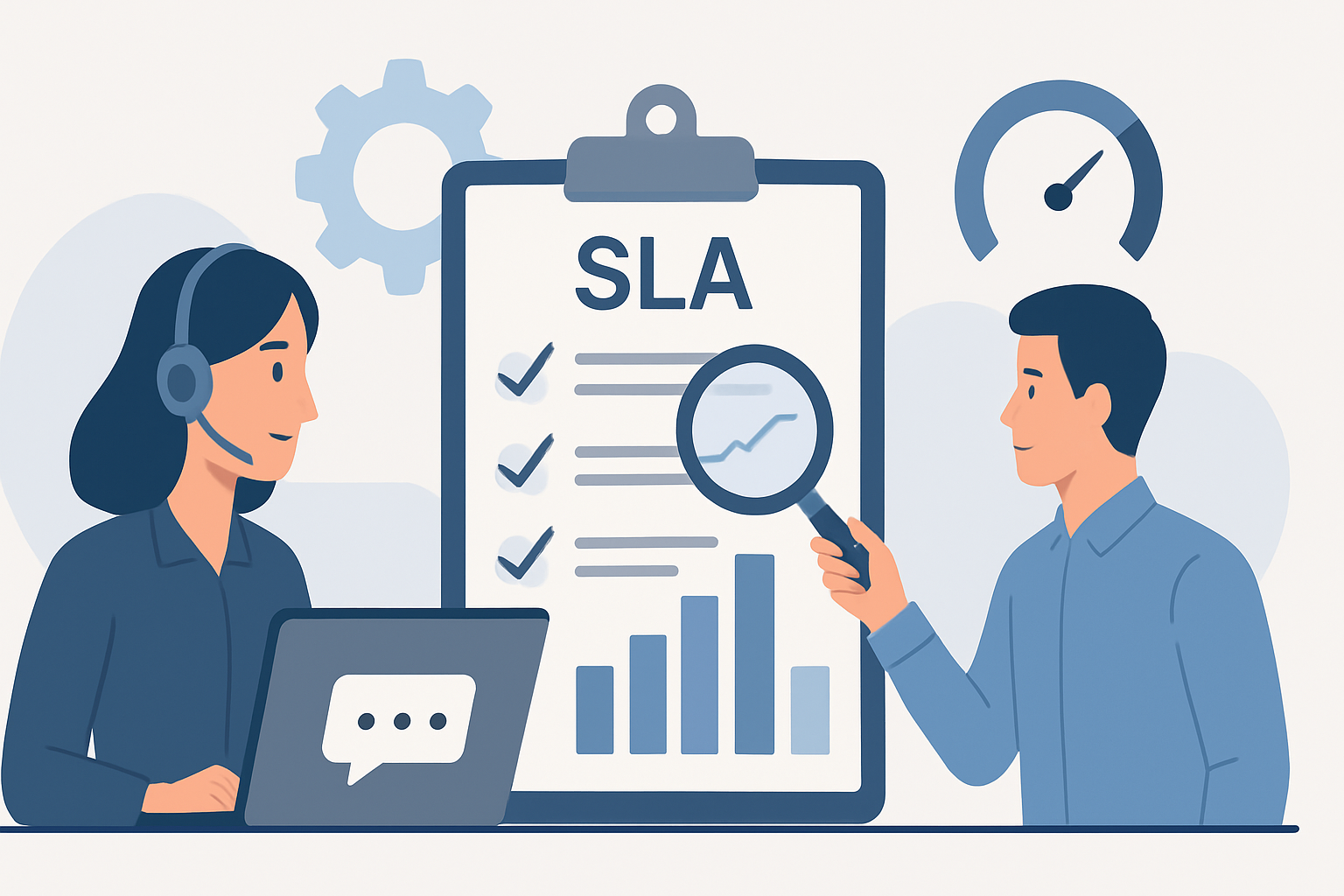
Optimizing Customer Support: Essential SLA and Performance Metrics
In today's fast-paced digital world, customer support has become a critical component of business success. As companies strive to enhance customer satisfaction and loyalty, optimizing customer support processes is essential. One of the most effective ways to achieve this is by establishing clear Service Level Agreements (SLAs) and performance metrics. This article explores the importance of SLAs, key performance indicators (KPIs), and how to optimize customer support effectively.
Understanding Service Level Agreements (SLAs)
A Service Level Agreement (SLA) is a formal document that outlines the expected service standards between a service provider and a customer. In the context of customer support, SLAs define the level of service that customers can expect, including response times, resolution times, and support availability. Establishing SLAs helps set clear expectations for both customers and support teams.
Key Components of Effective SLAs
- Response Time: The maximum time it should take for a support agent to acknowledge a customer's inquiry.
- Resolution Time: The timeframe within which a customer’s issue should be resolved.
- Availability: The hours during which support is available to customers, including any holidays or downtime.
- Escalation Procedures: Steps to follow if an issue cannot be resolved within the agreed timeframe.
- Reporting and Review: Regular assessments of SLA performance to ensure compliance and identify areas for improvement.
Essential Performance Metrics for Customer Support
To effectively measure the success of customer support operations, businesses should track various performance metrics. These metrics provide valuable insights into team performance and customer satisfaction. Here are some essential KPIs to consider:
- First Response Time (FRT): The time taken for a customer to receive the first reply after raising a support ticket.
- Average Resolution Time (ART): The average time taken to resolve customer issues across all support requests.
- Customer Satisfaction Score (CSAT): A metric that gauges customer satisfaction through surveys after support interactions.
- Net Promoter Score (NPS): A measure of customer loyalty and likelihood to recommend your services based on their support experience.
- Ticket Volume: The number of support requests received in a specific period, helping to assess workload and staffing needs.
Strategies for Optimizing Customer Support
To maximize the effectiveness of customer support, organizations should implement the following strategies:
- Invest in Training: Continuous training and development for support agents can enhance their skills and improve service quality.
- Utilize Technology: Implementing customer support software and automation tools can streamline processes and improve response times.
- Gather Customer Feedback: Regularly collect and analyze feedback to understand customer needs and identify areas for improvement.
- Monitor Performance Metrics: Regularly review performance metrics to identify trends, successes, and areas needing attention.
- Foster a Customer-Centric Culture: Encourage a culture that prioritizes customer satisfaction at every level of the organization.
Conclusion
Optimizing customer support through well-defined SLAs and performance metrics is crucial for enhancing customer satisfaction and loyalty. By establishing clear expectations, tracking essential KPIs, and implementing effective strategies, businesses can create a responsive, efficient, and customer-focused support system. In a competitive marketplace, investing in customer support optimization can lead to significant long-term benefits and a stronger brand reputation.
Este artigo faz parte do nosso blog. Veja-o na lista e descubra mais.
Ver todos os artigosSimplifique o seu apoio ao cliente. Organize tickets, responda mais rápido e mantenha a equipa alinhada.
Agendar Demonstração