Optimizing Customer Support with the Right SLA Measurements
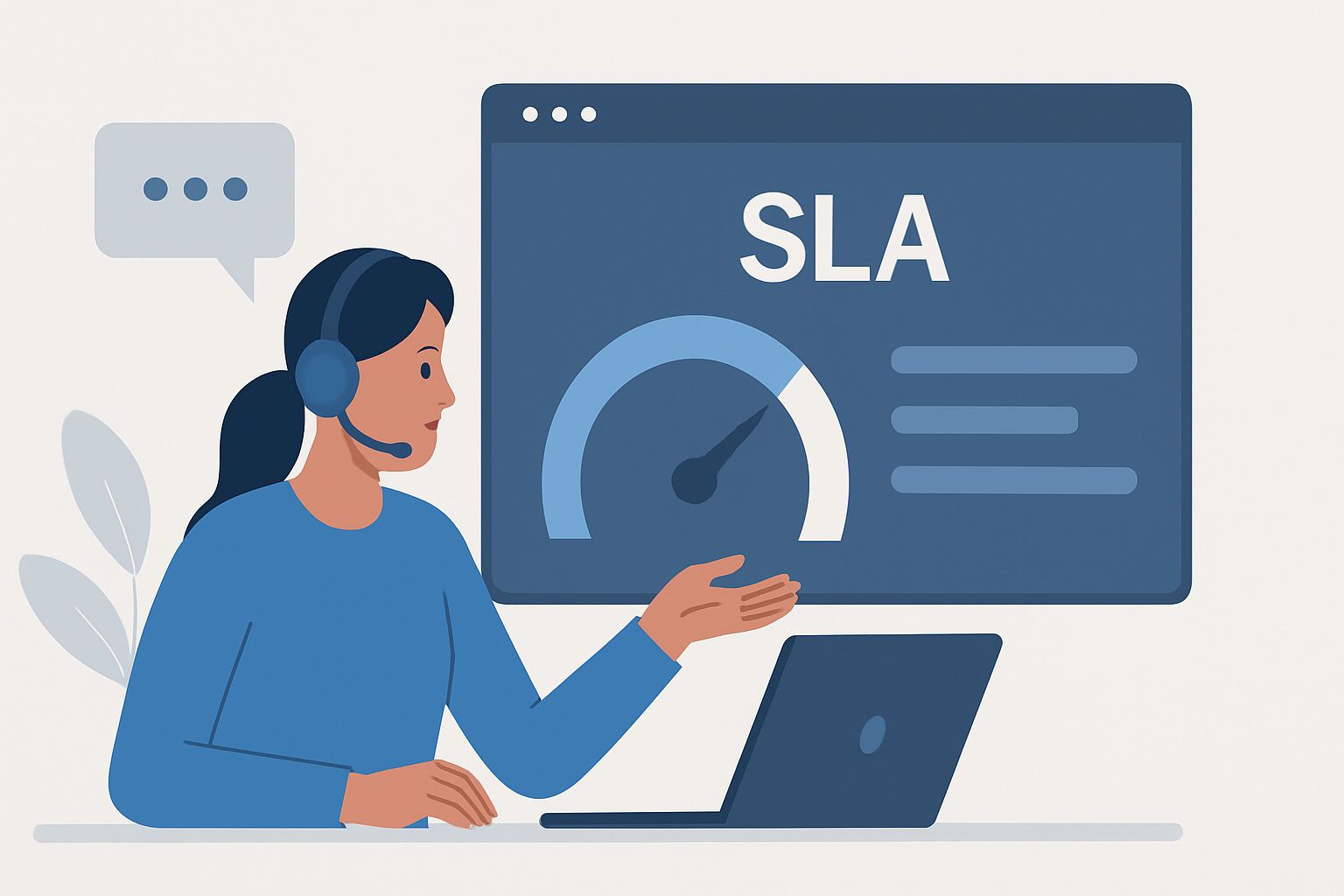
Optimizing Customer Support with the Right SLA Measurements
In today’s fast-paced business environment, customer support is more critical than ever. With customers expecting quick and efficient service, organizations must optimize their support processes to meet these demands. One of the most effective ways to achieve this is by implementing the right Service Level Agreements (SLAs) and measurements. This article explores how to optimize customer support through effective SLA measurements.
Understanding SLAs in Customer Support
A Service Level Agreement (SLA) is a formal agreement between a service provider and a customer that outlines the expected level of service. In the context of customer support, SLAs define specific metrics that measure the effectiveness and efficiency of support services. These metrics can include response times, resolution times, and customer satisfaction scores, among others.
Key SLA Measurements to Consider
When optimizing customer support, it is essential to select SLA measurements that align with your business goals and customer expectations. Here are some key SLA measurements to consider:
- Response Time: The time taken to acknowledge a customer inquiry. A swift response time is crucial in making customers feel valued and heard.
- Resolution Time: The time taken to resolve a customer issue. Shorter resolution times can significantly enhance customer satisfaction.
- First Contact Resolution (FCR): The percentage of issues resolved during the first interaction. High FCR rates indicate efficiency and effectiveness in the support process.
- Customer Satisfaction (CSAT): A measure of customer satisfaction with the support received. This can be gathered through surveys following support interactions.
- Net Promoter Score (NPS): A metric that measures customer loyalty and the likelihood of recommending your services to others.
Best Practices for Implementing SLAs
To effectively implement SLAs in your customer support strategy, consider the following best practices:
- Define Clear Objectives: Ensure that your SLA measurements align with your overall business objectives and customer expectations.
- Involve Stakeholders: Collaborate with various stakeholders, including support teams and customers, to establish realistic and achievable SLA targets.
- Monitor and Analyze Performance: Regularly track SLA performance to identify trends and areas for improvement. Utilize analytics tools to gain insights into customer interactions.
- Communicate SLAs to Your Team: Ensure that all team members are aware of the SLAs and understand their importance in delivering customer satisfaction.
- Be Flexible: Be prepared to adjust SLAs as needed based on changing customer needs and business goals. Continuous improvement is key to maintaining high service levels.
Conclusion
Optimizing customer support through effective SLA measurements is essential for enhancing customer satisfaction and loyalty. By understanding the key SLA metrics, implementing best practices, and continuously monitoring performance, organizations can ensure they meet customer expectations and improve overall service quality. In a competitive market, investing in the right SLA measurements can set your business apart and drive long-term success.
Este artigo faz parte do nosso blog. Veja-o na lista e descubra mais.
Ver todos os artigosSimplifique o seu apoio ao cliente. Organize tickets, responda mais rápido e mantenha a equipa alinhada.
Agendar Demonstração