Optimizing SLA Performance: Strategies for Better Customer Support
Optimizing SLA Performance: Strategies for Better Customer Support
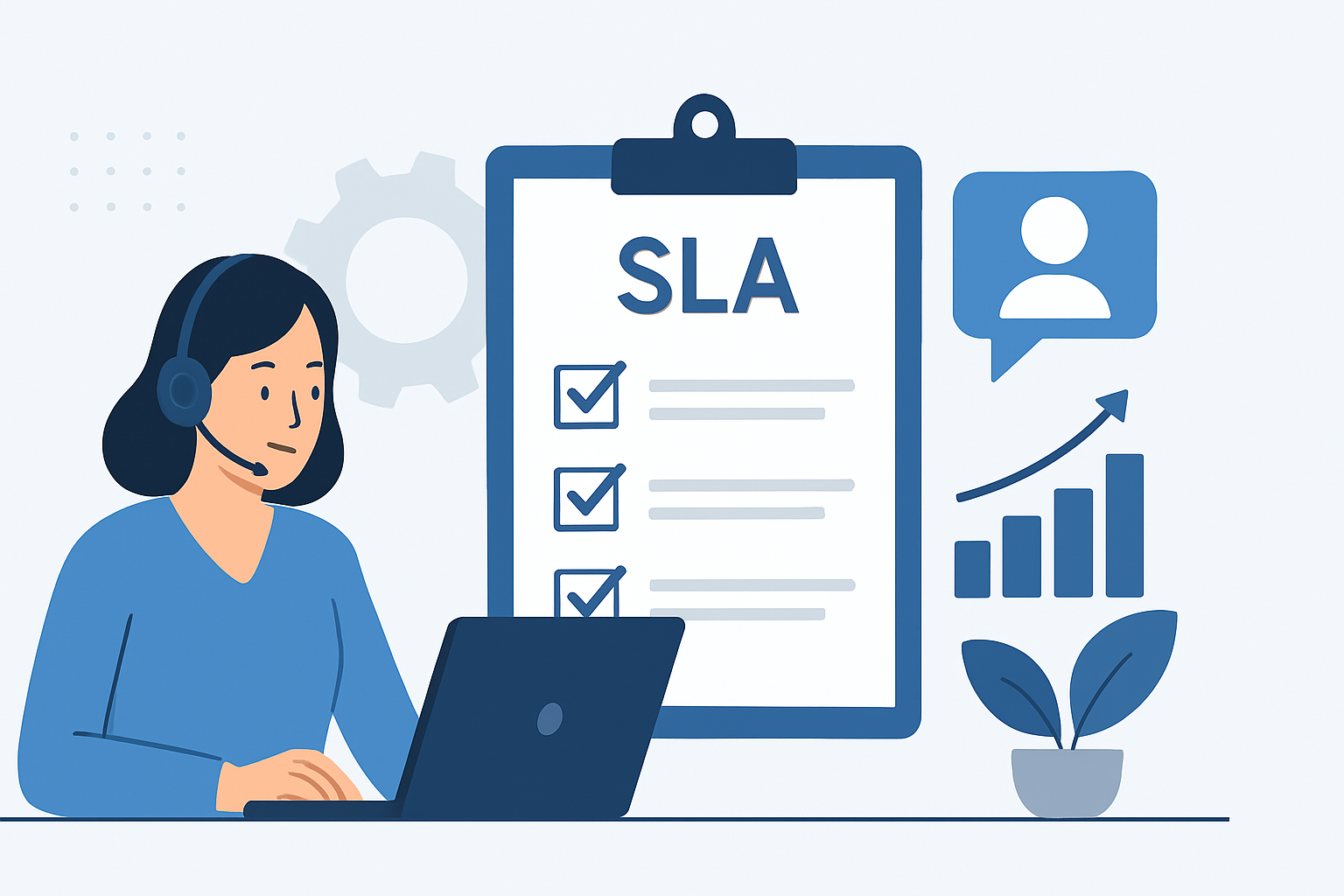
In today’s fast-paced business environment, maintaining high standards of customer support is crucial for success. Service Level Agreements (SLAs) serve as a framework for measuring the quality of service provided to customers. Optimizing SLA performance not only enhances customer satisfaction but also fosters loyalty and long-term relationships. This article explores effective strategies for improving SLA performance in customer support.
Understanding SLAs
Before diving into optimization strategies, it’s essential to understand what SLAs are. An SLA is a formal agreement between a service provider and a customer that outlines the expected service standards. Key components of SLAs typically include:
- Response Times: The time it takes for the support team to acknowledge a customer’s request.
- Resolution Times: The timeframe within which issues should be resolved.
- Availability: The hours during which support is available to customers.
- Performance Metrics: Specific KPIs used to measure service effectiveness.
Strategies for Optimizing SLA Performance
To enhance SLA performance and ensure better customer support, consider implementing the following strategies:
1. Establish Clear Expectations
Communicate SLA terms clearly to both your support team and customers. This ensures everyone understands the service commitments and what to expect. Regularly review and update SLAs to reflect any changes in service capabilities or customer needs.
2. Invest in Training
Continuous training for your support team is vital. Equip them with the necessary skills and knowledge to handle customer inquiries effectively. Training should cover:
- Product knowledge
- Customer service skills
- Problem-solving techniques
3. Implement Efficient Ticketing Systems
A robust ticketing system can streamline the process of tracking and managing customer requests. Features to look for include:
- Automated ticket assignment
- Priority tagging
- Real-time status updates
4. Utilize Data Analytics
Leverage data analytics to monitor SLA performance metrics. Analyze trends in response and resolution times, customer satisfaction scores, and ticket volumes. This data can help identify areas for improvement and inform better decision-making.
5. Foster a Customer-Centric Culture
Encourage a culture that prioritizes customer satisfaction. Empower your support team to make decisions that benefit the customer, and recognize their efforts in delivering exceptional service. Regular feedback from customers can help refine processes and improve service delivery.
Measuring SLA Performance
Regularly assess SLA performance to ensure targets are being met. Key performance indicators (KPIs) to monitor include:
- First Response Time
- Average Resolution Time
- Customer Satisfaction Score (CSAT)
- Net Promoter Score (NPS)
Set up a schedule for reviewing these metrics, and use the insights gained to make necessary adjustments to your support processes.
Conclusion
Optimizing SLA performance is not a one-time effort but an ongoing process that requires commitment and adaptability. By implementing these strategies, businesses can enhance their customer support operations, leading to improved customer satisfaction and loyalty. Remember, in the realm of customer support, every interaction counts, and a well-optimized SLA can make all the difference.
Este artigo faz parte do nosso blog. Veja-o na lista e descubra mais.
Ver todos os artigosSimplifique o seu apoio ao cliente. Organize tickets, responda mais rápido e mantenha a equipa alinhada.
Agendar Demonstração