The Art of Measuring Customer Satisfaction: Tools and Techniques
The Art of Measuring Customer Satisfaction: Tools and Techniques
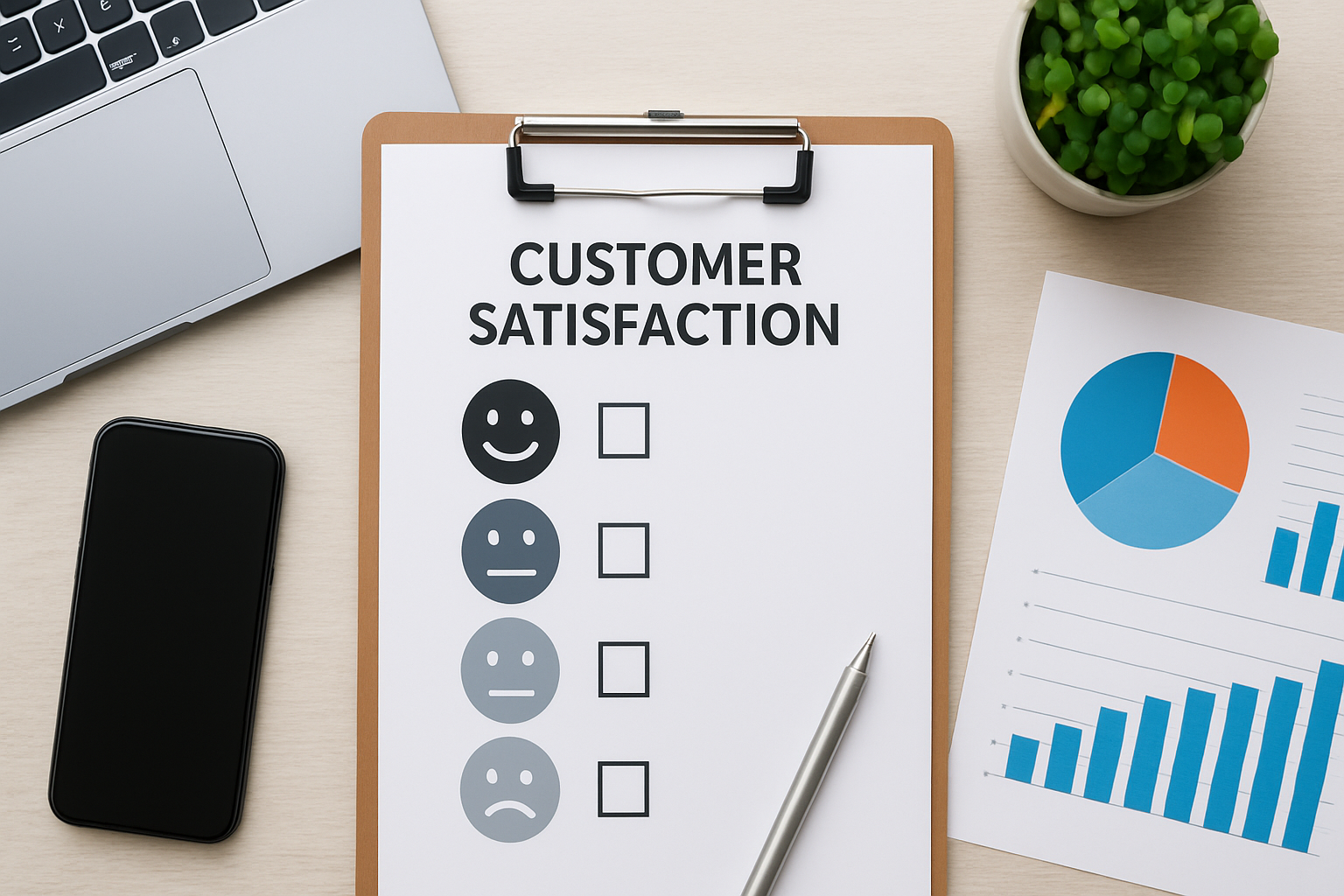
In today’s competitive market, understanding customer satisfaction is crucial for any business aiming to thrive. Measuring customer satisfaction not only helps in gauging how well your product or service meets customer expectations but also provides insights into areas for improvement. This article will explore various tools and techniques to effectively measure customer satisfaction.
Why Measure Customer Satisfaction?
Measuring customer satisfaction offers numerous benefits, including:
- Improved Customer Retention: Satisfied customers are more likely to return, reducing churn rates.
- Increased Revenue: Happy customers often lead to repeat purchases and increased sales.
- Valuable Feedback: Understanding customer sentiment helps identify areas for improvement.
- Competitive Advantage: Businesses that prioritize customer satisfaction can differentiate themselves in the market.
Tools for Measuring Customer Satisfaction
There are several tools available to measure customer satisfaction effectively:
1. Surveys
Surveys are one of the most common methods for measuring customer satisfaction. They can be conducted through various platforms, including:
- Email surveys
- Website pop-up surveys
- Phone interviews
Popular survey tools include SurveyMonkey, Google Forms, and Typeform. Ensure your surveys are concise and focused to encourage higher response rates.
2. Net Promoter Score (NPS)
NPS is a widely used metric that measures customer loyalty by asking customers how likely they are to recommend your business to others on a scale of 0 to 10. This simple question can provide significant insights into customer satisfaction and loyalty.
3. Customer Satisfaction Score (CSAT)
CSAT is a straightforward metric that asks customers to rate their satisfaction with a product or service immediately after an interaction. Typically measured on a scale of 1 to 5 or 1 to 10, CSAT helps businesses understand customer sentiment in real-time.
4. Customer Effort Score (CES)
CES measures how easy it is for customers to interact with your business. It typically involves asking customers to rate the ease of their experience on a scale. A lower effort score indicates a smoother customer experience, which often correlates with higher satisfaction levels.
Techniques for Analyzing Customer Satisfaction Data
Once you have collected customer satisfaction data, it’s important to analyze it effectively. Here are some techniques:
1. Data Segmentation
Segment your data based on demographics, purchase history, or customer behavior. This will help you identify trends and patterns within specific customer groups.
2. Trend Analysis
Monitor your customer satisfaction scores over time to identify trends. Are your scores improving or declining? Understanding these trends can help you make informed business decisions.
3. Text Analysis
If you gather qualitative feedback through open-ended survey questions, use text analysis tools to identify common themes and sentiments. This can provide deeper insights into customer opinions.
Conclusion
Measuring customer satisfaction is an essential practice for any business looking to enhance its customer experience and drive growth. By utilizing the right tools and techniques, you can gain valuable insights into your customers’ needs and preferences. Remember, the goal is not only to measure satisfaction but to act on the feedback received to foster long-term customer loyalty.
Este artigo faz parte do nosso blog. Veja-o na lista e descubra mais.
Ver todos os artigosSimplifique o seu apoio ao cliente. Organize tickets, responda mais rápido e mantenha a equipa alinhada.
Agendar Demonstração