The Essential Guide to Measuring Support Success with SLA Metrics
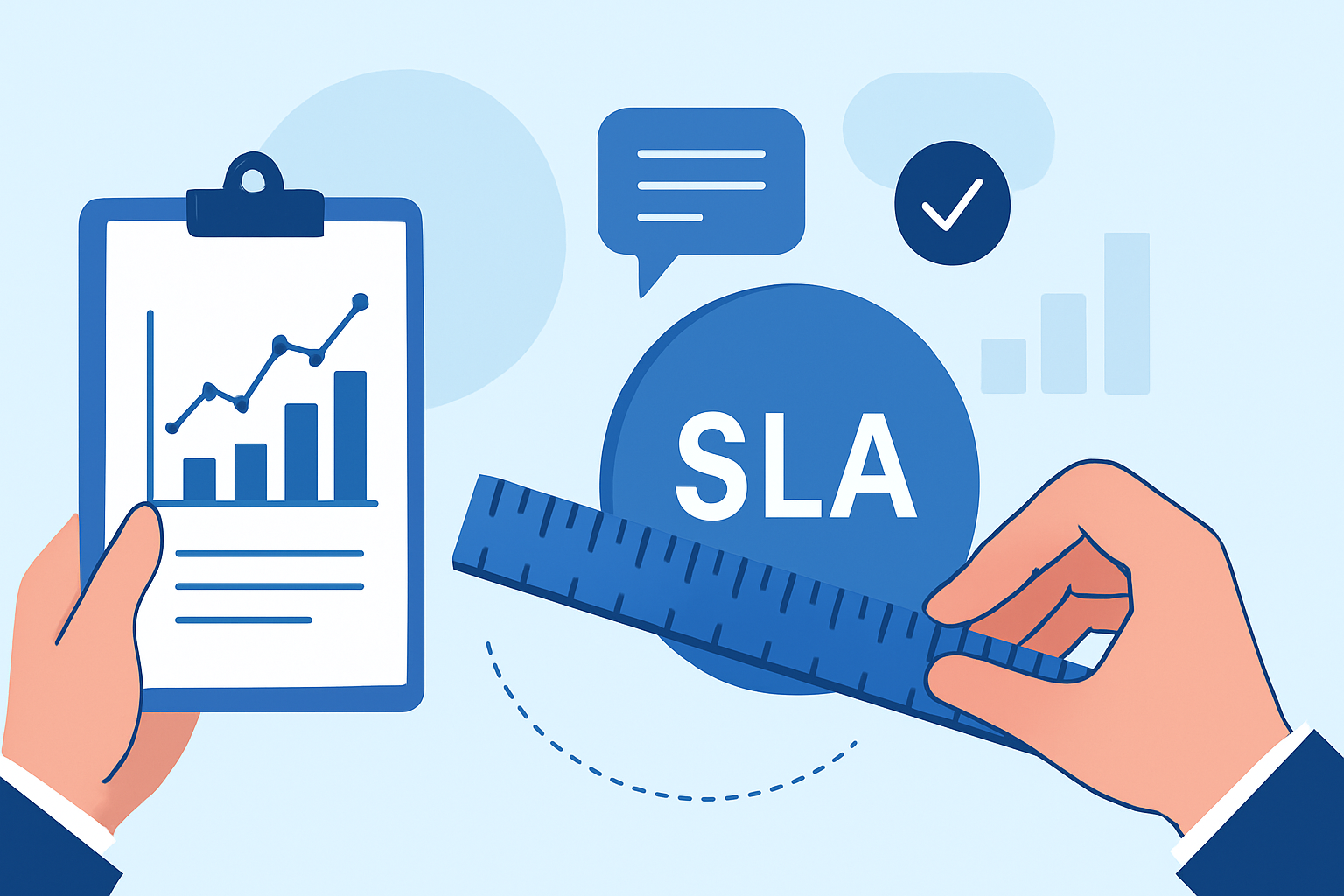
The Essential Guide to Measuring Support Success with SLA Metrics
In today's fast-paced business environment, providing exceptional customer support is crucial for maintaining customer satisfaction and loyalty. One of the most effective ways to measure the success of your support team is through Service Level Agreements (SLAs) and their associated metrics. This guide will help you understand the importance of SLA metrics, how to implement them, and the best practices for measuring support success.
What are SLA Metrics?
Service Level Agreement metrics are quantifiable measures used to evaluate the performance of a service provider in relation to the agreed-upon service levels. These metrics help organizations set clear expectations, monitor performance, and identify areas for improvement in their support processes.
Why are SLA Metrics Important?
- Customer Satisfaction: SLAs help ensure that customers receive timely and effective support, which is crucial for maintaining satisfaction.
- Accountability: By defining specific metrics, organizations can hold support teams accountable for their performance.
- Continuous Improvement: SLA metrics provide insights into performance trends, enabling teams to identify areas for improvement.
- Benchmarking: Organizations can use SLA metrics to compare their performance against industry standards or competitors.
Key SLA Metrics to Track
When measuring support success, consider tracking the following key SLA metrics:
- Response Time: The average time it takes for a support agent to respond to a customer inquiry.
- Resolution Time: The average time taken to resolve a customer issue from the moment it is raised.
- First Contact Resolution Rate: The percentage of issues resolved during the first interaction with the customer.
- Customer Satisfaction Score (CSAT): A measure of customer satisfaction based on post-interaction surveys.
- Service Availability: The percentage of time that support services are available to customers.
Implementing SLA Metrics
To effectively implement SLA metrics in your organization, follow these steps:
- Define Clear SLAs: Work with stakeholders to establish clear and achievable service level targets.
- Communicate Expectations: Ensure that your support team understands the SLAs and what is expected of them.
- Utilize the Right Tools: Invest in software that can track and report on SLA metrics in real-time.
- Monitor Performance: Regularly review SLA performance against targets and analyze trends.
- Adjust as Needed: Be willing to revise SLAs based on feedback, changing business needs, and performance data.
Best Practices for Measuring Support Success
To maximize the effectiveness of your SLA metrics, consider the following best practices:
- Regularly Review SLAs: Conduct periodic reviews of your SLAs to ensure they remain relevant and aligned with customer expectations.
- Solicit Customer Feedback: Use customer feedback to gain insights into areas where SLAs may need to be adjusted.
- Train Your Team: Provide ongoing training for your support team to ensure they have the skills and knowledge necessary to meet SLA targets.
- Celebrate Success: Recognize and celebrate when SLA targets are met or exceeded to motivate your team.
Conclusion
Measuring support success with SLA metrics is essential for delivering exceptional customer service and fostering long-term relationships with clients. By understanding the importance of these metrics, implementing them effectively, and adhering to best practices, organizations can ensure their support teams are set up for success. Start tracking your SLA metrics today to enhance your support operations and improve customer satisfaction.
Este artigo faz parte do nosso blog. Veja-o na lista e descubra mais.
Ver todos os artigosSimplifique o seu apoio ao cliente. Organize tickets, responda mais rápido e mantenha a equipa alinhada.
Agendar Demonstração