The Evolution of Helpdesk: From Traditional Support to AI Integration
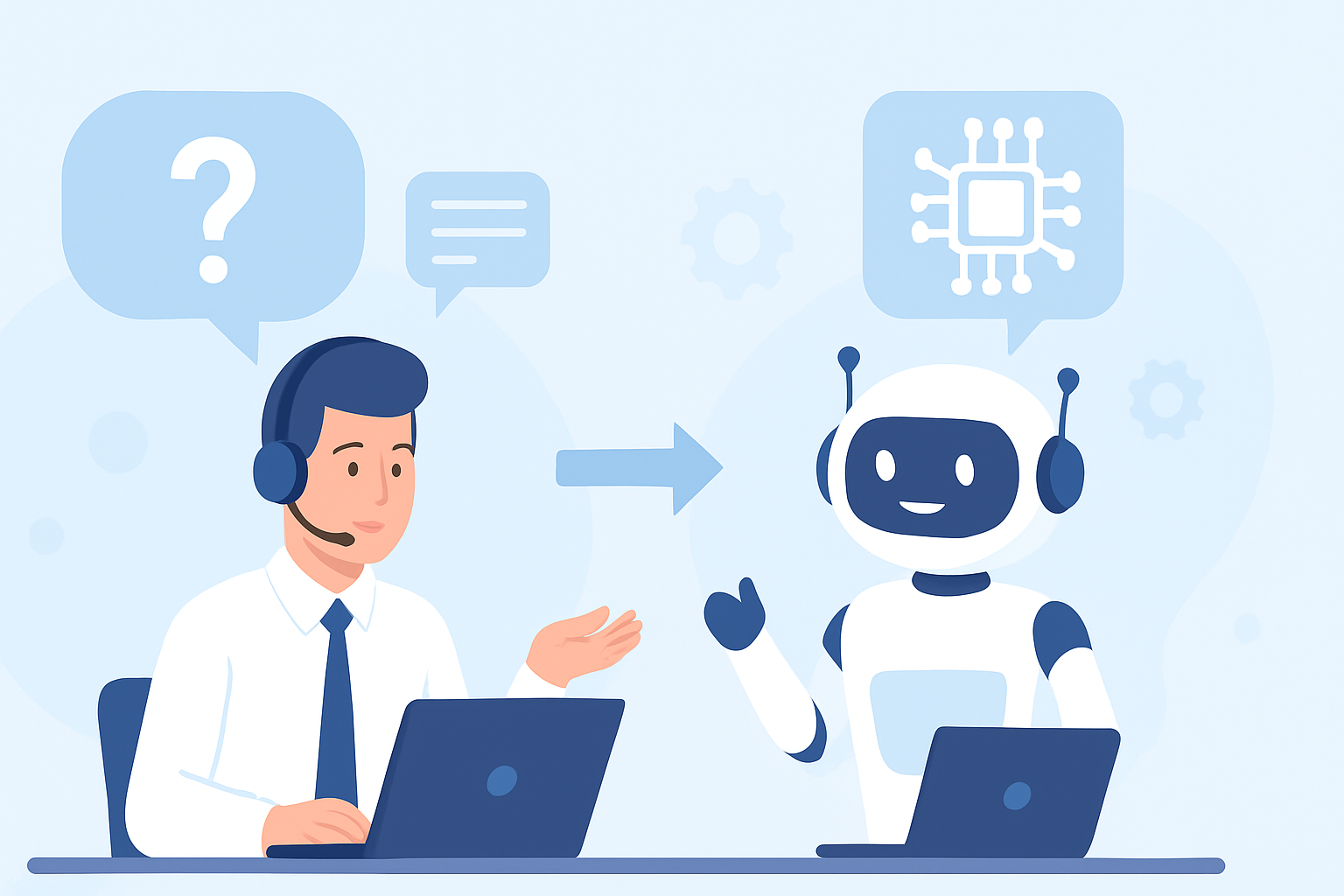
The Evolution of Helpdesk: From Traditional Support to AI Integration
In the ever-changing landscape of technology, the helpdesk has undergone a significant transformation. From its humble beginnings as a traditional support system to the modern integration of artificial intelligence (AI), the evolution of helpdesk services reflects the advancements in technology and changing customer expectations.
The Traditional Helpdesk Model
Initially, helpdesk services were primarily focused on providing technical support via phone or email. Customers would reach out to support agents to resolve issues, often leading to long wait times and inefficient service. This traditional model relied heavily on human resources, which meant that the response time was slow and the resolution process could be cumbersome.
- Limited Accessibility: Customers could only reach support during business hours.
- High Operational Costs: Employing a large team of support agents was expensive.
- Inconsistent Service: The quality of support varied depending on the agent’s experience and knowledge.
The Rise of Self-Service
As customer needs evolved, the concept of self-service emerged. Organizations began to implement knowledge bases, FAQs, and community forums, allowing customers to find answers independently. This shift not only empowered users but also reduced the workload on support teams.
- Increased Efficiency: Customers could resolve issues without waiting for an agent.
- Cost Savings: Reduced need for large support teams led to lower operational costs.
- Improved Customer Satisfaction: Quick access to information enhanced the overall customer experience.
The Integration of AI in Helpdesk Services
With advancements in technology, AI has begun to play a crucial role in transforming helpdesk services. AI-powered chatbots and virtual assistants are now capable of handling a significant volume of customer inquiries without human intervention.
- 24/7 Support: AI systems can provide round-the-clock assistance, ensuring that customers receive support whenever they need it.
- Instant Responses: Chatbots can deliver immediate answers to common questions, reducing wait times dramatically.
- Data-Driven Insights: AI can analyze customer interactions to identify trends and improve service delivery.
The Future of Helpdesk: A Hybrid Approach
As we look to the future, the most effective helpdesk solutions will likely be those that combine human expertise with AI capabilities. While AI can handle routine inquiries, human agents will still be essential for complex issues that require empathy, creativity, and critical thinking.
- Seamless Transition: Customers should be able to transition from AI to human support without hassle.
- Personalization: AI can help tailor the customer experience based on previous interactions.
- Continuous Learning: Both AI and human agents can learn from each interaction to improve future service.
Conclusion
The evolution of helpdesk services from traditional support to AI integration illustrates the dynamic nature of customer service. As organizations continue to adapt to technological advancements, the focus will remain on enhancing the customer experience through efficiency, accessibility, and personalized support. Embracing a hybrid approach that leverages both AI and human capabilities will be key to achieving this goal.
Este artigo faz parte do nosso blog. Veja-o na lista e descubra mais.
Ver todos os artigosSimplifique o seu apoio ao cliente. Organize tickets, responda mais rápido e mantenha a equipa alinhada.
Agendar Demonstração