The Impact of SLA on Support Performance: Metrics That Matter
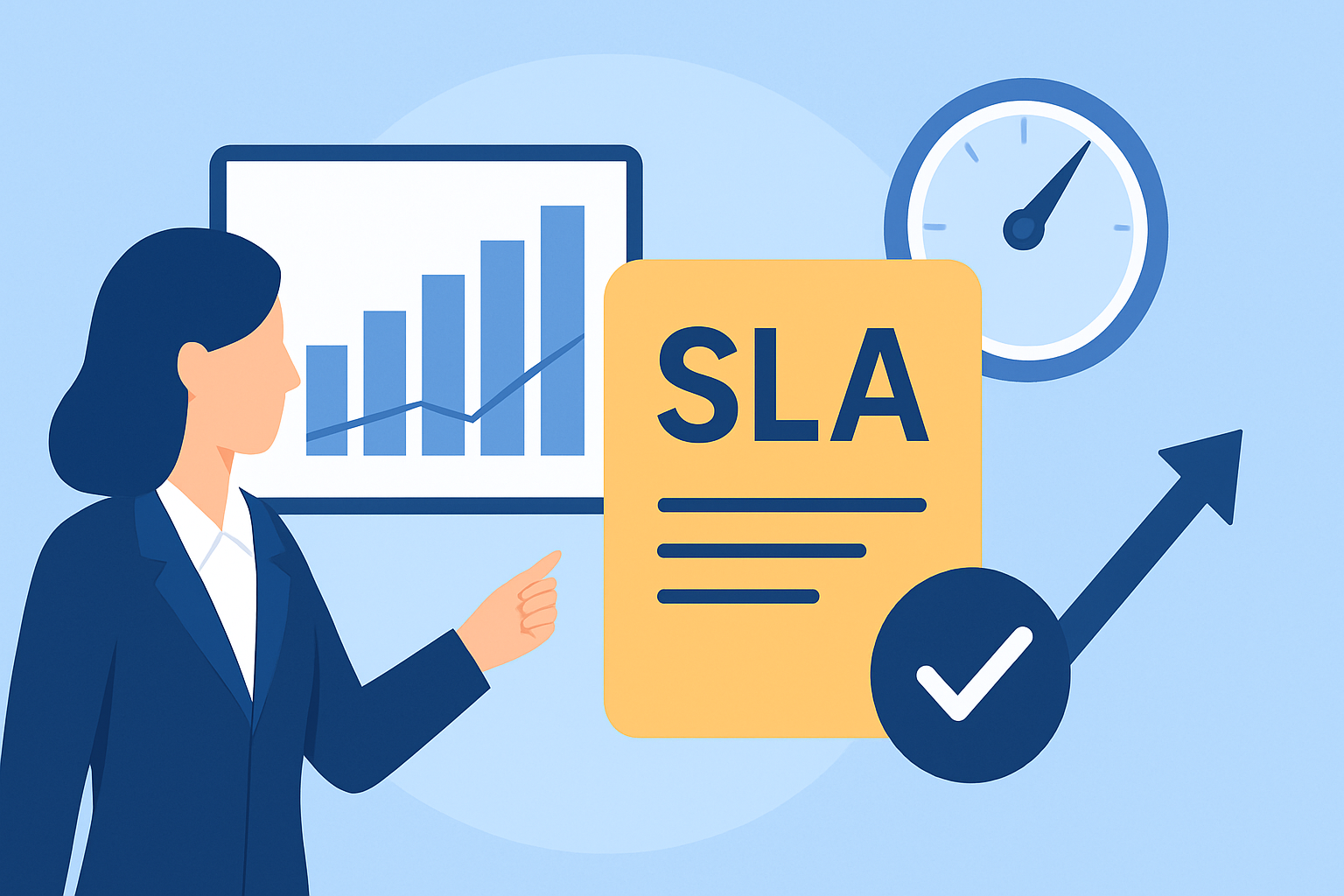
The Impact of SLA on Support Performance: Metrics That Matter
Service Level Agreements (SLAs) are crucial in defining the expectations between service providers and their clients. In the realm of customer support, SLAs establish the standards for service delivery, response times, and resolution times. Understanding the impact of SLAs on support performance can significantly enhance customer satisfaction and operational efficiency.
What is an SLA?
A Service Level Agreement is a formal document that outlines the expected level of service between a provider and a customer. It includes specific metrics that are used to measure the performance of support services. Common elements of an SLA include:
- Response Time: The time taken to acknowledge a customer's request.
- Resolution Time: The time required to resolve a customer's issue.
- Availability: The hours during which support services are available.
- Escalation Procedures: The process for escalating issues that cannot be resolved at the first level of support.
Key Metrics to Measure SLA Performance
To effectively evaluate the impact of SLAs on support performance, organizations should focus on several key metrics:
1. First Response Time (FRT)
First Response Time is the duration taken to provide the initial response to a customer's inquiry. A shorter FRT is generally associated with higher customer satisfaction, as it indicates that the support team is attentive and responsive.
2. Average Resolution Time (ART)
Average Resolution Time measures how long it takes to resolve issues on average. This metric is vital in understanding the efficiency of the support team and the effectiveness of processes in place.
3. Ticket Volume
Monitoring ticket volume helps in understanding the overall workload on the support team. A sudden increase in ticket volume could indicate underlying issues that need to be addressed, such as product defects or customer dissatisfaction.
4. Customer Satisfaction Score (CSAT)
Customer Satisfaction Score is a direct measure of how satisfied customers are with the support they receive. This score is often collected through surveys sent out after a ticket is resolved, providing valuable feedback on the support experience.
5. SLA Compliance Rate
The SLA Compliance Rate indicates the percentage of support requests that were resolved within the agreed-upon SLA metrics. A high compliance rate signifies that the support team is meeting its commitments, while a low rate may highlight areas for improvement.
Benefits of Effective SLA Management
Implementing and managing SLAs effectively can lead to numerous benefits for an organization:
- Improved Customer Satisfaction: By meeting or exceeding SLA commitments, organizations can enhance customer trust and loyalty.
- Better Resource Allocation: Understanding ticket volume and resolution times allows teams to allocate resources more effectively, ensuring that high-priority issues are addressed promptly.
- Enhanced Performance Measurement: SLAs provide clear benchmarks for evaluating support performance, making it easier to identify areas for improvement.
- Increased Accountability: SLAs create a sense of accountability within the support team, fostering a culture of responsibility and continuous improvement.
Conclusion
The impact of SLAs on support performance is profound. By defining clear metrics and expectations, organizations can enhance their support processes, leading to improved customer satisfaction and operational efficiency. It is essential for businesses to regularly review and adjust their SLAs to adapt to changing customer needs and business environments. Ultimately, a well-managed SLA framework can serve as a cornerstone for delivering exceptional customer support.
Este artigo faz parte do nosso blog. Veja-o na lista e descubra mais.
Ver todos os artigosSimplifique o seu apoio ao cliente. Organize tickets, responda mais rápido e mantenha a equipa alinhada.
Agendar Demonstração