The Importance of SLAs in Measuring Customer Support Effectiveness
The Importance of SLAs in Measuring Customer Support Effectiveness
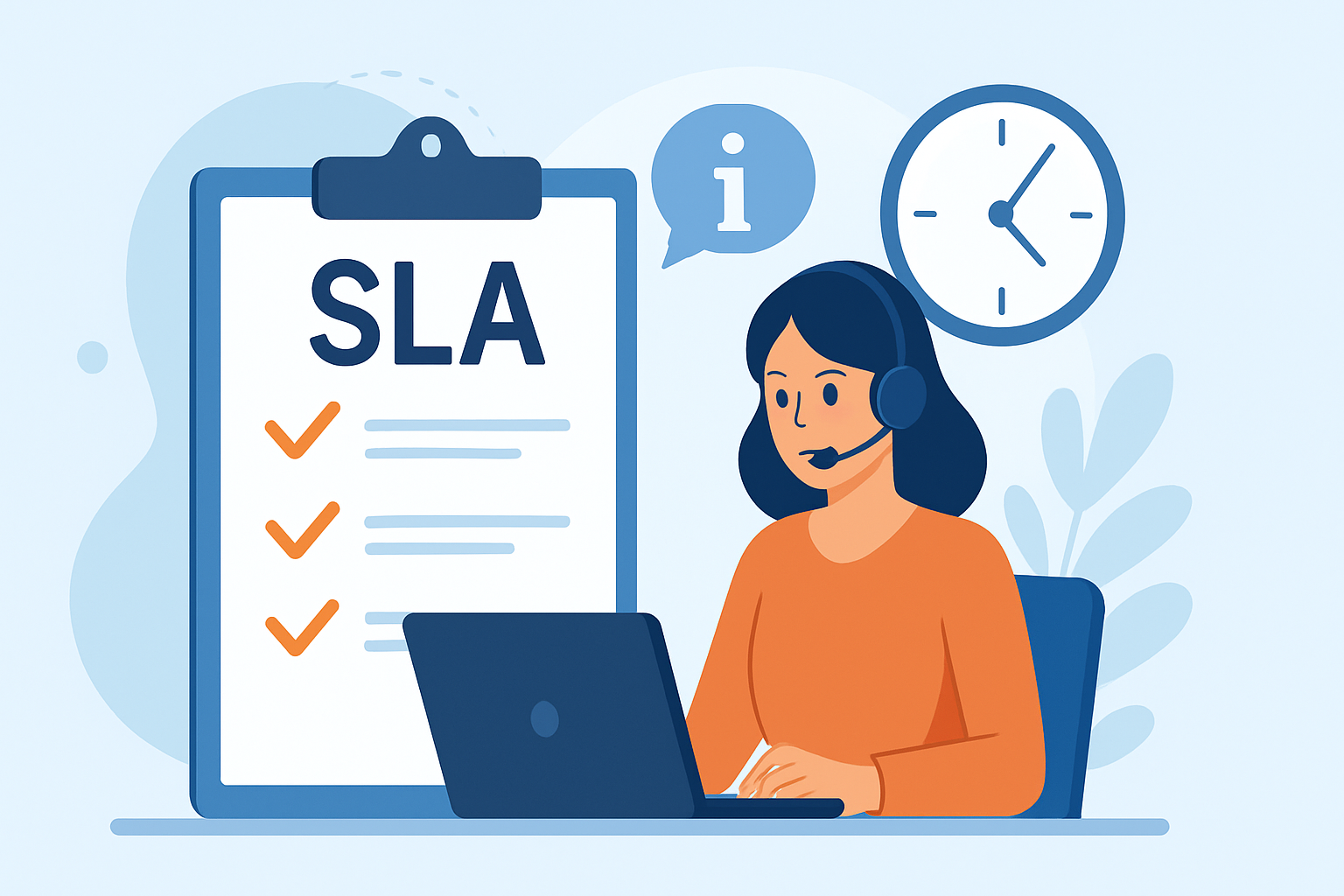
In today's fast-paced digital world, customer support plays a crucial role in determining the success of a business. As companies strive to provide the best possible service to their customers, the implementation of Service Level Agreements (SLAs) has become increasingly important. SLAs are formal documents that outline the expected level of service between a service provider and a customer. This article will explore the significance of SLAs in measuring customer support effectiveness and how they can enhance overall customer satisfaction.
What is an SLA?
A Service Level Agreement (SLA) is a contract that defines the service standards a customer can expect from a service provider. It typically includes specific metrics such as response times, resolution times, and the quality of service. By setting clear expectations, SLAs help both parties understand their responsibilities and the level of service that will be delivered.
Why are SLAs Important?
- Clarity and Transparency: SLAs provide clear guidelines on what customers can expect from support teams. This transparency helps build trust and sets realistic expectations.
- Performance Measurement: SLAs offer measurable criteria to evaluate the performance of customer support teams. By monitoring these metrics, businesses can identify areas for improvement and ensure that they are meeting their commitments.
- Accountability: With an SLA in place, support teams are held accountable for meeting the agreed-upon standards. This accountability encourages teams to work efficiently and prioritize customer needs.
- Improved Customer Satisfaction: When customers know what to expect and experience consistent service, their satisfaction levels increase. SLAs help ensure that support teams are responsive and effective in addressing customer issues.
- Continuous Improvement: SLAs can serve as a foundation for continuous improvement initiatives. By regularly reviewing SLA performance, organizations can identify trends, make data-driven decisions, and enhance service delivery.
Key Metrics to Include in SLAs
When creating an SLA, it is essential to include specific metrics that reflect the effectiveness of customer support. Here are some key metrics to consider:
- Response Time: The time it takes for a support team to acknowledge and respond to a customer inquiry.
- Resolution Time: The time taken to resolve a customer issue from the moment it is reported.
- First Contact Resolution Rate: The percentage of issues resolved during the first interaction with the customer.
- Customer Satisfaction Score (CSAT): A measure of how satisfied customers are with the support they received.
- Net Promoter Score (NPS): A metric that gauges customer loyalty and their likelihood to recommend the service to others.
Implementing SLAs Effectively
To maximize the benefits of SLAs, organizations should consider the following best practices:
- Involve Stakeholders: Engage both internal teams and customers when defining SLA terms to ensure that expectations are aligned.
- Regular Reviews: Schedule periodic reviews of SLAs to assess performance and make necessary adjustments based on changing business needs or customer feedback.
- Training and Development: Invest in training for support teams to ensure they have the skills and knowledge to meet SLA commitments.
- Use Technology: Utilize customer support software to track SLA performance and generate reports for analysis.
Conclusion
Service Level Agreements are a vital component of effective customer support. By establishing clear expectations, measuring performance, and holding teams accountable, SLAs help organizations enhance customer satisfaction and drive continuous improvement. As businesses continue to evolve, prioritizing SLAs will ensure that they remain competitive in delivering exceptional customer service.
Este artigo faz parte do nosso blog. Veja-o na lista e descubra mais.
Ver todos os artigosSimplifique o seu apoio ao cliente. Organize tickets, responda mais rápido e mantenha a equipa alinhada.
Agendar Demonstração