The Role of SLA in Shaping Efficient Customer Support Strategies
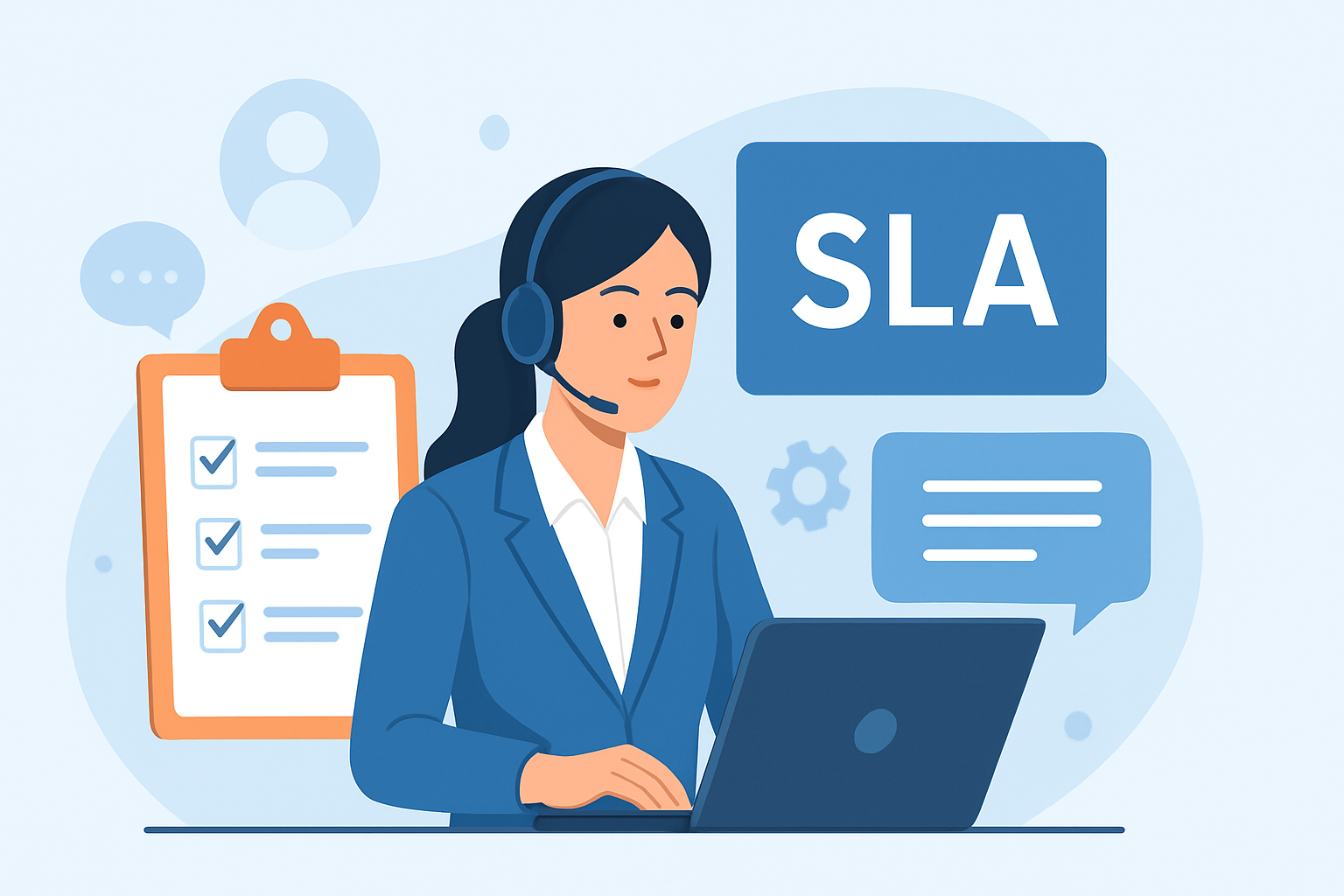
The Role of SLA in Shaping Efficient Customer Support Strategies
Service Level Agreements (SLAs) play a crucial role in defining expectations between service providers and customers, particularly in the realm of customer support. An SLA outlines the specific services that a customer can expect, the quality of those services, and the metrics by which success is measured. Understanding and implementing effective SLAs can significantly enhance customer satisfaction and operational efficiency.
What is an SLA?
A Service Level Agreement is a formal document that establishes a mutual understanding between a service provider and a client regarding the level of service expected. It typically includes:
- Service description
- Performance metrics
- Responsibilities of both parties
- Remedies for service level breaches
The Importance of SLAs in Customer Support
SLAs are vital for several reasons:
- Clarity of Expectations: SLAs clearly define what customers can expect in terms of response times, resolution times, and the quality of support. This transparency helps prevent misunderstandings and builds trust.
- Accountability: By outlining specific metrics and performance standards, SLAs hold service providers accountable for delivering the promised level of service. This accountability encourages providers to maintain high standards.
- Performance Measurement: SLAs provide a framework for measuring the effectiveness of customer support strategies. Organizations can track performance against SLA metrics to identify areas for improvement.
- Resource Allocation: With clear expectations set by SLAs, organizations can better allocate resources to meet customer needs. This can lead to more efficient operations and enhanced customer satisfaction.
Key Components of an Effective SLA
When crafting an SLA for customer support, consider including the following components:
- Response Time: Define how quickly customers can expect an acknowledgment of their inquiries or issues.
- Resolution Time: Specify the expected timeframe for resolving different types of issues, categorized by severity.
- Support Channels: Outline the available channels for support, such as phone, email, or chat, and the hours during which support is available.
- Escalation Procedures: Detail the process for escalating issues that cannot be resolved within the agreed timeframe.
- Reporting and Review: Establish how performance will be reported and reviewed, including frequency and metrics used.
Best Practices for Implementing SLAs
To ensure that SLAs are effective and beneficial for both parties, consider the following best practices:
- Engage Stakeholders: Involve key stakeholders in the development of SLAs to ensure that all perspectives are considered and that the agreement meets the needs of both the service provider and the customer.
- Regularly Review and Update: SLAs should not be static documents. Regularly review and update them to reflect changes in business processes, customer expectations, and service capabilities.
- Communicate Clearly: Ensure that all parties understand the SLA and its implications. Clear communication can help prevent disputes and enhance collaboration.
- Monitor and Measure: Continuously monitor performance against SLA metrics. Use the data gathered to make informed decisions about service improvements.
Conclusion
In conclusion, SLAs are a fundamental component of effective customer support strategies. They set clear expectations, foster accountability, and provide a framework for measuring performance. By implementing well-structured SLAs, organizations can enhance customer satisfaction, streamline operations, and ultimately drive business success. Investing the time and resources into developing effective SLAs is a step towards building a more efficient and customer-centric support system.
Este artigo faz parte do nosso blog. Veja-o na lista e descubra mais.
Ver todos os artigosSimplifique o seu apoio ao cliente. Organize tickets, responda mais rápido e mantenha a equipa alinhada.
Agendar Demonstração