Transform Your Workflow: A Guide to Business Process Automation
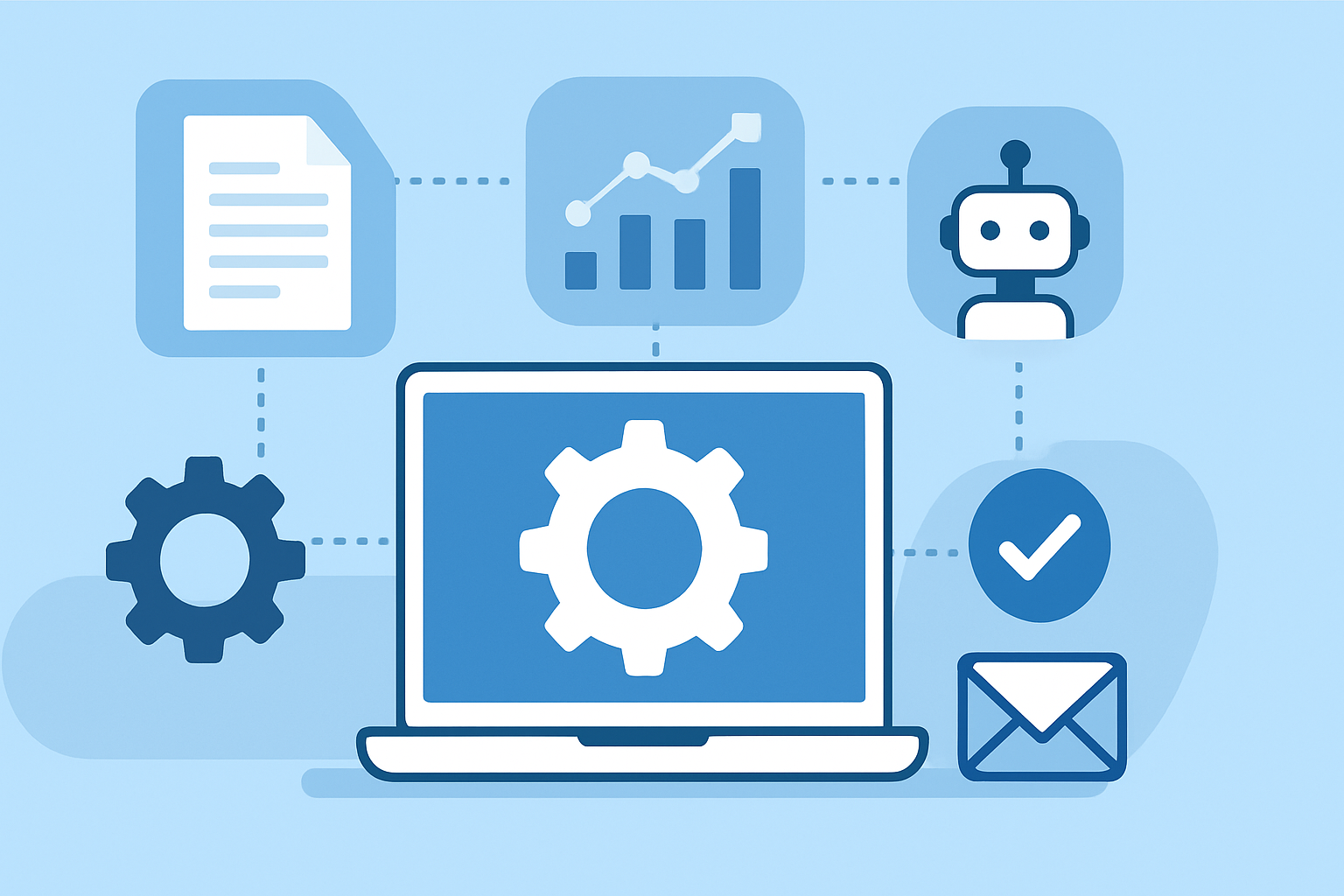
Transform Your Workflow: A Guide to Business Process Automation
In today's fast-paced business environment, efficiency and productivity are paramount. One of the most effective ways to achieve these goals is through business process automation (BPA). This guide will explore what BPA is, its benefits, and how to implement it in your organization.
What is Business Process Automation?
Business process automation refers to the use of technology to automate repetitive and manual tasks within an organization. This can include anything from data entry and report generation to customer service and compliance checks. By automating these processes, businesses can streamline operations, reduce errors, and free up valuable resources.
Benefits of Business Process Automation
- Increased Efficiency: Automation speeds up workflows, allowing employees to focus on higher-value tasks.
- Cost Savings: Reducing manual labor can lead to significant cost reductions in the long run.
- Improved Accuracy: Automation minimizes human error, ensuring that tasks are completed correctly every time.
- Enhanced Compliance: Automated processes can help maintain compliance with industry regulations by providing accurate and timely records.
- Better Customer Experience: Faster response times and consistent service lead to higher customer satisfaction.
Identifying Processes to Automate
Before implementing BPA, it’s essential to identify which processes will benefit most from automation. Consider the following steps:
- Analyze Current Workflows: Map out existing processes to identify bottlenecks and inefficiencies.
- Determine Repetitive Tasks: Look for tasks that are time-consuming and prone to error.
- Evaluate Impact: Assess how automating specific processes could impact productivity and efficiency.
Choosing the Right Tools
Once you have identified the processes to automate, the next step is to choose the right tools. There are various software solutions available, including:
- Robotic Process Automation (RPA): Software robots that can mimic human actions to perform rule-based tasks.
- Workflow Automation Software: Tools that help manage and automate multi-step processes.
- Customer Relationship Management (CRM) Systems: Solutions that automate customer interaction and data management.
Implementing Business Process Automation
Implementing BPA can be a significant undertaking, but following a structured approach can ease the process:
- Define Objectives: Clearly outline what you aim to achieve with automation.
- Engage Stakeholders: Involve team members from different departments to gather insights and gain buy-in.
- Start Small: Begin with a pilot project to test automation on a smaller scale before full implementation.
- Monitor and Optimize: Continuously track the performance of automated processes and make adjustments as needed.
Conclusion
Business process automation is a powerful strategy for organizations looking to enhance efficiency, reduce costs, and improve overall performance. By carefully analyzing your current workflows and selecting the right tools, you can transform your business operations and position your company for success in an increasingly competitive landscape.
Ready to take the plunge into automation? Start by assessing your processes today and watch your business thrive!
Este artigo faz parte do nosso blog. Veja-o na lista e descubra mais.
Ver todos os artigosSimplifique o seu apoio ao cliente. Organize tickets, responda mais rápido e mantenha a equipa alinhada.
Agendar Demonstração