Understanding SLA: Boosting Customer Satisfaction with Effective Support Metrics
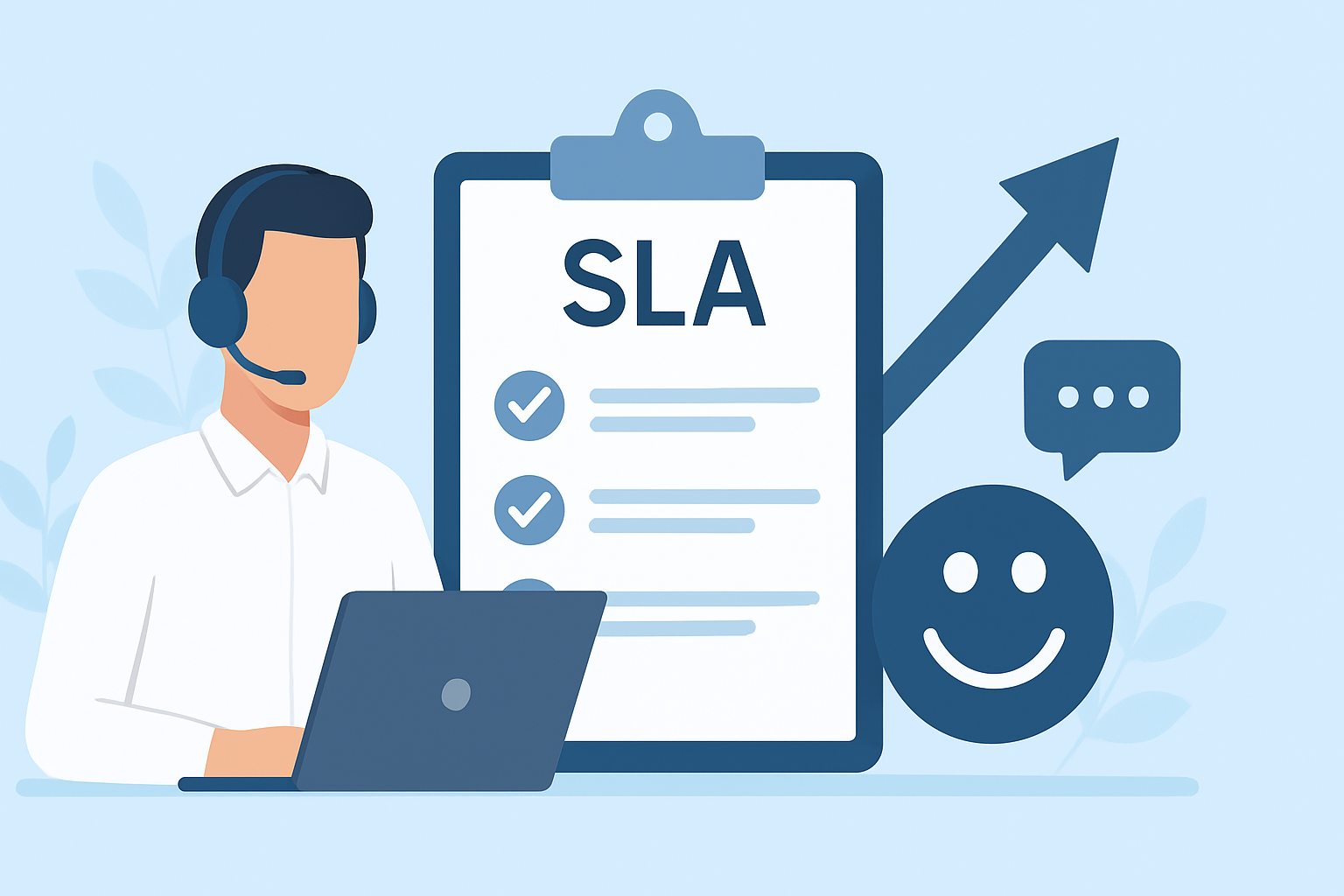
Understanding SLA: Boosting Customer Satisfaction with Effective Support Metrics
Service Level Agreements (SLAs) are crucial components of customer service and support operations. They outline the expected level of service a customer can anticipate from a provider and play a vital role in managing customer expectations. In this article, we will explore the importance of SLAs, the key metrics involved, and how they can significantly enhance customer satisfaction.
What is an SLA?
A Service Level Agreement (SLA) is a formal agreement between a service provider and a customer that defines the level of service expected from the provider. It includes various performance metrics and outlines the responsibilities of both parties. SLAs can cover various aspects of service delivery, including response times, resolution times, and overall service availability.
Why are SLAs Important?
SLAs are essential for several reasons:
- Expectation Management: They help set clear expectations for customers regarding the level of service they will receive.
- Accountability: SLAs hold service providers accountable for their performance, ensuring that they meet agreed-upon standards.
- Performance Measurement: They provide a framework for measuring service quality and effectiveness, allowing for continual improvement.
- Customer Trust: By adhering to SLAs, companies can build trust and foster long-term relationships with their customers.
Key Metrics in SLAs
Effective SLAs incorporate various metrics that provide insights into service performance. Here are some of the most common metrics used:
- Response Time: The time taken to acknowledge a customer’s request or issue. A quick response time can significantly enhance customer satisfaction.
- Resolution Time: The duration required to resolve a customer issue. Lower resolution times generally lead to happier customers.
- Uptime: The percentage of time a service is operational and available to customers. High uptime is critical for maintaining service reliability.
- First Contact Resolution (FCR): The percentage of customer issues resolved on the first interaction. A high FCR rate indicates effective support processes.
- Customer Satisfaction Score (CSAT): A measure of customer satisfaction with the service provided, often gathered through surveys.
Implementing Effective SLAs
To boost customer satisfaction through effective SLAs, consider the following steps:
- Define Clear Objectives: Establish what you want to achieve with your SLAs. This could include improving response times or increasing customer satisfaction.
- Engage Stakeholders: Involve both customers and internal teams in the SLA creation process to ensure that all parties' needs are met.
- Set Realistic Targets: Establish achievable metrics that reflect your service capabilities while challenging your team to improve.
- Monitor and Review: Regularly track SLA performance and review metrics to identify areas for improvement. Adjust SLAs as necessary to adapt to changing customer needs.
- Communicate with Customers: Keep customers informed about SLA details and any changes. Transparency fosters trust and satisfaction.
Conclusion
In conclusion, understanding and implementing effective SLAs is vital for boosting customer satisfaction. By clearly defining service expectations, measuring performance against key metrics, and continually improving based on feedback, organizations can create a robust support system that not only meets but exceeds customer expectations. Investing in SLAs is not just about compliance; it’s about building lasting relationships with customers and enhancing their overall experience.
Este artigo faz parte do nosso blog. Veja-o na lista e descubra mais.
Ver todos os artigosSimplifique o seu apoio ao cliente. Organize tickets, responda mais rápido e mantenha a equipa alinhada.
Agendar Demonstração