Understanding SLA: Essential Metrics for Effective Customer Support
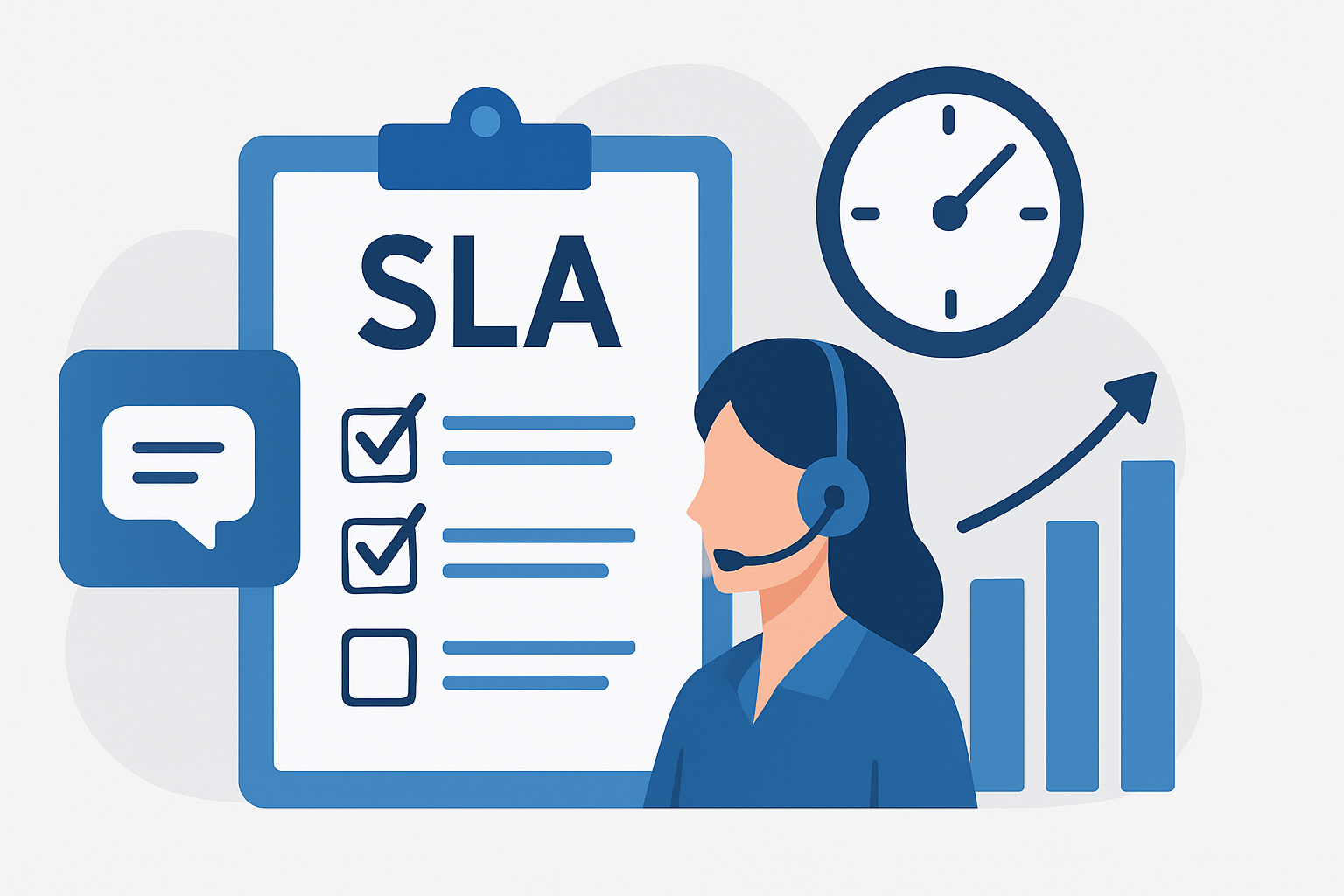
Understanding SLA: Essential Metrics for Effective Customer Support
In today’s fast-paced business environment, customer support plays a crucial role in maintaining customer satisfaction and loyalty. One of the key components of effective customer support is the Service Level Agreement (SLA). An SLA is a formal document that outlines the expected level of service between a service provider and a customer. Understanding the metrics involved in SLAs can help organizations enhance their support services and achieve better outcomes.
What is an SLA?
A Service Level Agreement (SLA) is a contract that defines the service expectations and responsibilities of both the service provider and the customer. It includes various metrics that measure the performance of the service, ensuring that both parties are on the same page regarding service expectations.
Key Metrics in SLAs
To effectively evaluate the performance of customer support services, it is essential to focus on specific metrics. Here are some of the most important metrics commonly included in SLAs:
- Response Time: This metric measures the time taken for the support team to respond to a customer inquiry. A shorter response time often leads to higher customer satisfaction.
- Resolution Time: This is the time taken to resolve a customer issue after it has been reported. It is crucial for maintaining customer trust and satisfaction.
- First Contact Resolution (FCR): This metric indicates the percentage of issues resolved on the first interaction with the customer. A high FCR rate is a sign of effective support.
- Customer Satisfaction Score (CSAT): This score is typically gathered through customer surveys after their support experience. It helps gauge the overall satisfaction with the service provided.
- Service Availability: This refers to the percentage of time the service is operational and available to customers. High availability is critical for customer trust.
Benefits of Defining SLA Metrics
Establishing clear SLA metrics offers numerous benefits to both service providers and customers:
- Enhanced Accountability: SLAs hold both parties accountable for their roles and responsibilities, ensuring that service expectations are met.
- Improved Communication: Clearly defined metrics facilitate better communication between service providers and customers, reducing misunderstandings.
- Increased Customer Satisfaction: By focusing on key performance indicators, organizations can improve their service delivery, leading to higher customer satisfaction.
- Data-Driven Decisions: SLAs provide valuable data that can be analyzed to make informed decisions and improve service quality over time.
Best Practices for Implementing SLAs
To ensure the effectiveness of SLAs, organizations should consider the following best practices:
- Involve Stakeholders: Engage both internal teams and customers in the SLA development process to ensure that the metrics are relevant and achievable.
- Regularly Review and Update: SLAs should be reviewed periodically to adapt to changing business needs and customer expectations.
- Train Support Staff: Ensure that customer support teams are well-trained in understanding and meeting SLA requirements.
- Utilize Technology: Implement tools and software that help track SLA metrics effectively and provide real-time data analysis.
Conclusion
Understanding and implementing effective SLAs with clear metrics is essential for delivering high-quality customer support. By focusing on key performance indicators, organizations can enhance their service delivery, improve customer satisfaction, and foster long-term relationships with their clients. As businesses continue to evolve, leveraging SLAs will be a significant step towards achieving operational excellence in customer support.
Este artigo faz parte do nosso blog. Veja-o na lista e descubra mais.
Ver todos os artigosSimplifique o seu apoio ao cliente. Organize tickets, responda mais rápido e mantenha a equipa alinhada.
Agendar Demonstração