Understanding SLA: Key Metrics That Drive Effective Support
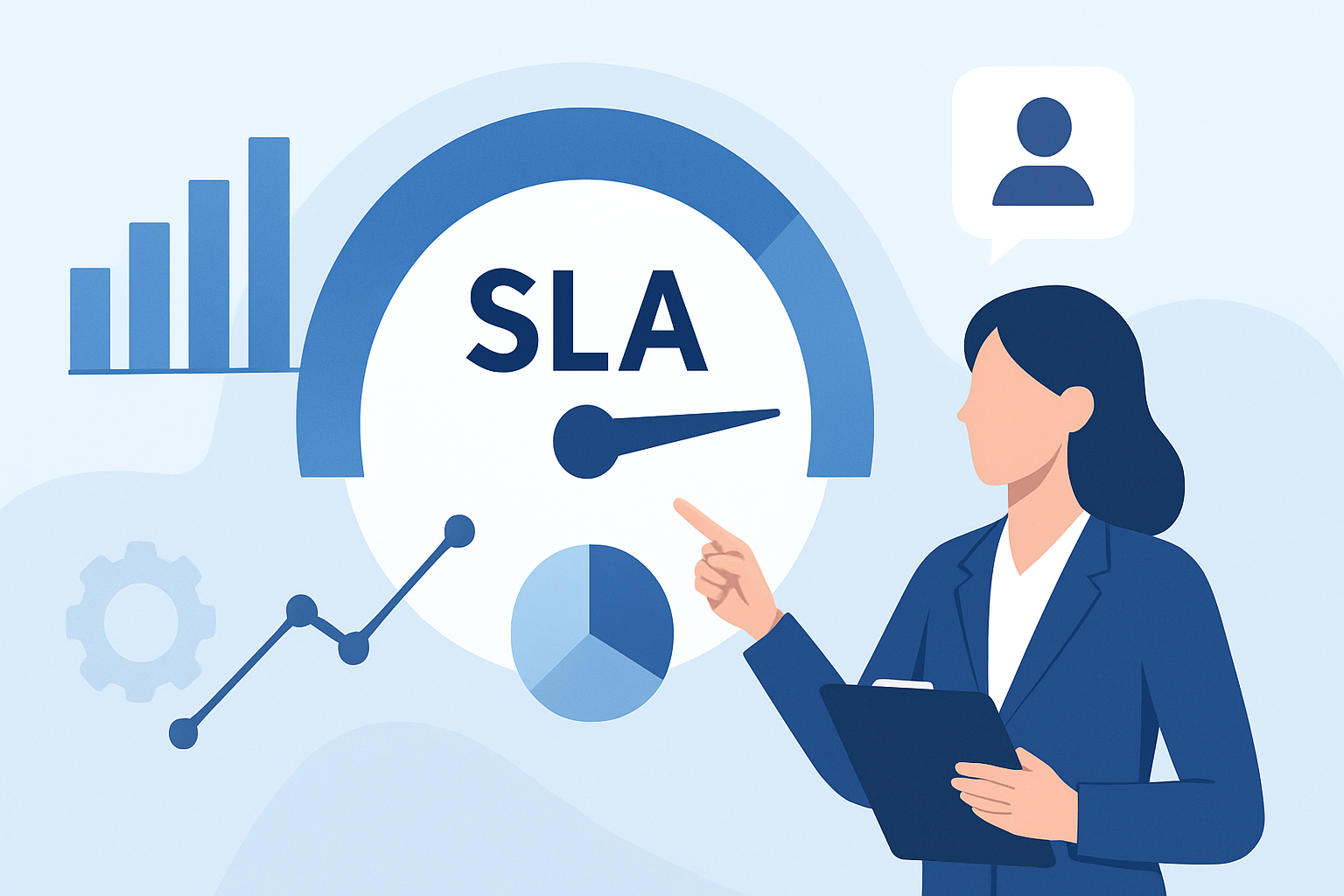
Understanding SLA: Key Metrics That Drive Effective Support
Service Level Agreements (SLAs) are crucial in defining the expectations between service providers and clients. They establish the standards of service delivery and outline the metrics by which service performance will be measured. In this article, we will explore the key metrics that drive effective support and how they contribute to a successful SLA.
What is an SLA?
An SLA is a formal document that outlines the expected level of service between a provider and a customer. It typically includes details on service performance, responsibilities, and the consequences of not meeting those expectations. SLAs are common in various industries, including IT, telecommunications, and customer service.
Key Metrics in SLAs
To ensure that SLAs are effective, several key metrics must be considered. These metrics help both parties understand the quality and efficiency of the services being provided. Here are some of the most important metrics to include:
- Response Time: This metric measures the time taken for the service provider to acknowledge a customer's request or issue. A shorter response time indicates a more responsive support system.
- Resolution Time: This refers to the time taken to resolve a customer's issue once it has been acknowledged. It is critical for customer satisfaction and reflects the efficiency of the support team.
- Uptime: Uptime is a measure of the system's operational performance and availability. A high uptime percentage indicates that the service is reliable and available when needed.
- First Contact Resolution (FCR): This metric tracks the percentage of issues resolved during the first interaction with the customer. A high FCR rate signifies effective support and reduces the need for follow-up interactions.
- Customer Satisfaction (CSAT): CSAT scores measure how satisfied customers are with the service they received. Surveys and feedback can be used to assess customer satisfaction levels.
- Service Level Compliance: This metric evaluates how well the service provider meets the agreed-upon SLA terms. Regular reporting on compliance helps identify areas for improvement.
Why Are These Metrics Important?
These metrics are essential for several reasons:
- Improved Accountability: By defining specific metrics, both the service provider and the customer can hold each other accountable for meeting their obligations.
- Enhanced Performance: Monitoring these metrics can lead to continuous improvement in service delivery, ensuring that the support team is always striving for better performance.
- Customer Trust: Transparent reporting on SLA metrics fosters trust between customers and service providers, as clients can see that their needs are being prioritized.
- Informed Decision Making: Analyzing SLA metrics allows organizations to make data-driven decisions about resource allocation, process improvements, and customer engagement strategies.
Conclusion
Understanding and implementing the key metrics of SLAs is vital for effective support in any organization. By focusing on response times, resolution times, uptime, first contact resolution, customer satisfaction, and service level compliance, businesses can enhance their service delivery and build stronger relationships with their clients. In a competitive landscape, having a well-defined SLA with clear metrics not only improves operational efficiency but also elevates customer experience, leading to long-term success.
Este artigo faz parte do nosso blog. Veja-o na lista e descubra mais.
Ver todos os artigosSimplifique o seu apoio ao cliente. Organize tickets, responda mais rápido e mantenha a equipa alinhada.
Agendar Demonstração