Understanding SLA: Key Metrics to Enhance Customer Support
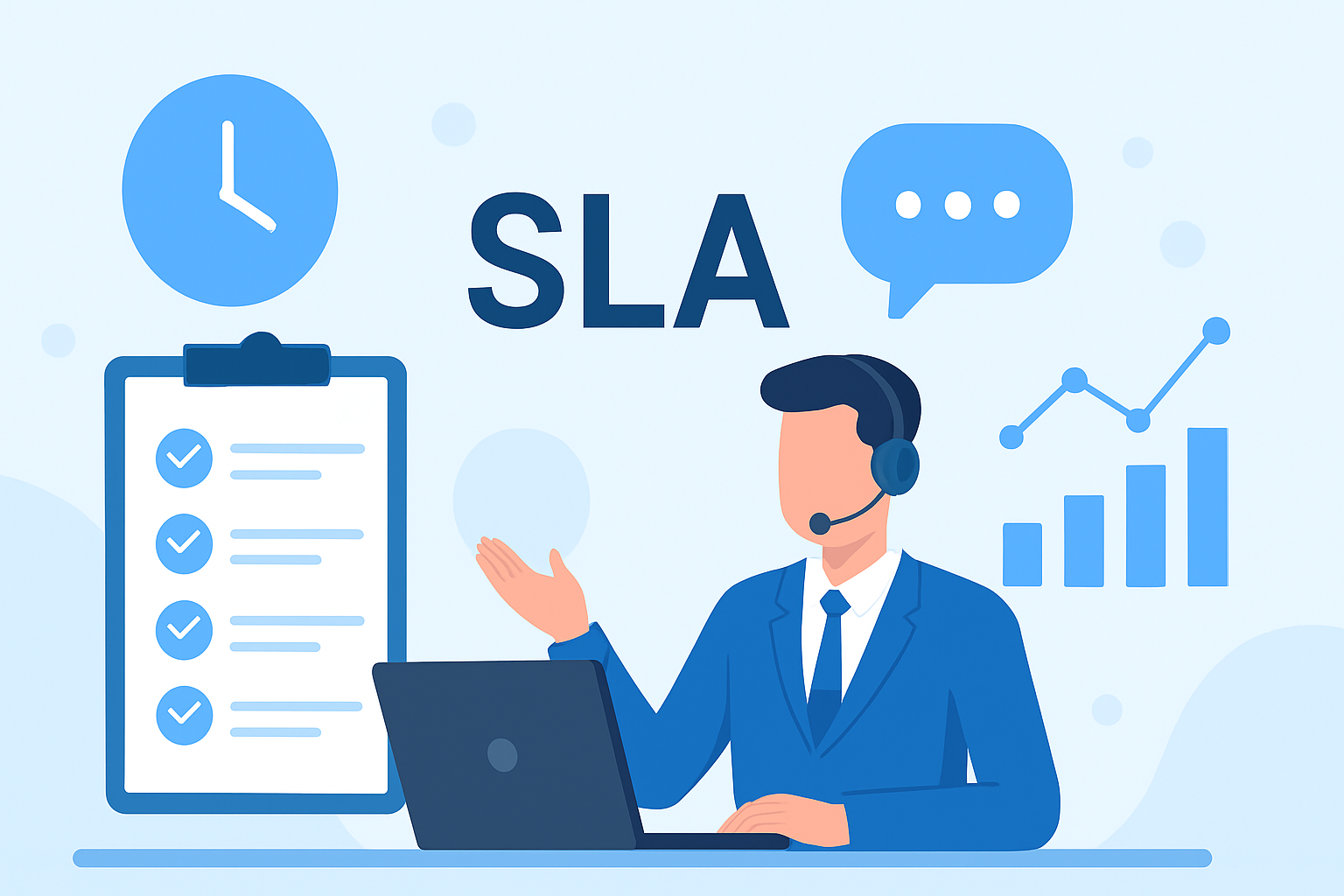
Understanding SLA: Key Metrics to Enhance Customer Support
Service Level Agreements (SLAs) are essential components of customer support that define the expected level of service between a provider and its customers. They set clear expectations, outline responsibilities, and help in measuring performance. In this article, we will explore the key metrics that can enhance customer support through effective SLA management.
What is an SLA?
An SLA is a formal document that outlines the agreed-upon service standards between a service provider and a customer. It typically includes details such as:
- Response times
- Resolution times
- Availability of service
- Performance metrics
By establishing these parameters, SLAs help ensure that both parties have a mutual understanding of service expectations, which ultimately leads to improved customer satisfaction.
Key Metrics to Include in Your SLA
To effectively measure and enhance customer support, consider incorporating the following key metrics into your SLA:
1. Response Time
Response time refers to the duration taken by the support team to acknowledge a customer’s request. It is crucial for maintaining customer satisfaction, as timely responses can significantly impact a customer’s perception of service quality.
2. Resolution Time
Resolution time measures the time taken to resolve a customer issue after it has been reported. This metric is vital for understanding how quickly your team can effectively address and fix problems, thereby enhancing overall customer experience.
3. First Contact Resolution (FCR)
FCR is the percentage of customer inquiries resolved on the first interaction. A high FCR indicates efficiency and effectiveness in customer support, reducing the need for follow-up communications and enhancing customer satisfaction.
4. Customer Satisfaction Score (CSAT)
The Customer Satisfaction Score is a direct measure of customer satisfaction with a service provided. It is usually obtained through surveys and can provide valuable insights into areas needing improvement.
5. Net Promoter Score (NPS)
NPS measures customer loyalty by asking how likely customers are to recommend your services to others. It serves as an indicator of overall satisfaction and can help identify advocates as well as detractors.
6. Ticket Volume
Monitoring ticket volume can help identify trends and patterns in customer inquiries. Understanding peak times for support requests can assist in resource allocation and planning, ensuring that teams are adequately equipped to handle demand.
Benefits of Monitoring SLA Metrics
Monitoring SLA metrics provides numerous benefits, including:
- Improved Customer Satisfaction: By meeting or exceeding SLA expectations, companies can enhance customer loyalty and satisfaction.
- Enhanced Accountability: SLAs create a sense of accountability within teams, motivating them to meet service standards.
- Data-Driven Decisions: Analyzing SLA metrics allows organizations to make informed decisions regarding resource allocation and process improvements.
- Continuous Improvement: Regularly reviewing SLAs and their associated metrics fosters a culture of continuous improvement within customer support teams.
Conclusion
Understanding and effectively managing SLAs is crucial for any organization aiming to enhance its customer support. By focusing on key metrics such as response time, resolution time, and customer satisfaction, businesses can create a structured approach to meet and exceed customer expectations. Implementing these metrics not only improves service delivery but also fosters long-term customer relationships, ultimately driving business success.
Este artigo faz parte do nosso blog. Veja-o na lista e descubra mais.
Ver todos os artigosSimplifique o seu apoio ao cliente. Organize tickets, responda mais rápido e mantenha a equipa alinhada.
Agendar Demonstração