Understanding SLA: The Key to Measuring Support Efficiency
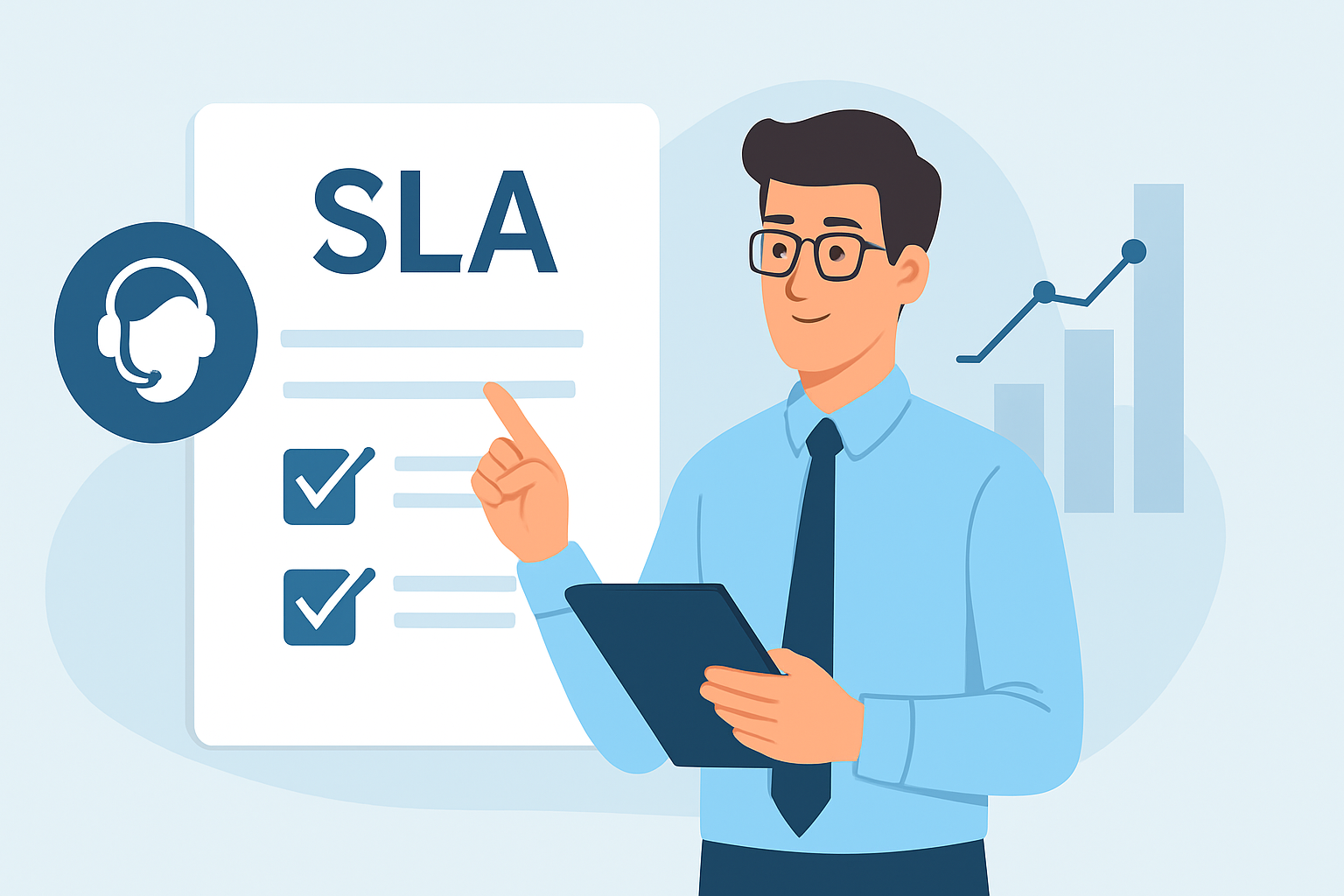
Understanding SLA: The Key to Measuring Support Efficiency
Service Level Agreements (SLAs) are critical components in managing customer expectations and ensuring effective support efficiency. They serve as formal commitments between service providers and their clients, outlining the expected level of service and performance standards. In this article, we will explore what SLAs are, their importance, and how they can be effectively implemented to enhance support efficiency.
What is an SLA?
An SLA is a document that defines the agreed-upon service standards between a service provider and a customer. It typically includes:
- Service Scope: Describes the services provided and any exclusions.
- Performance Metrics: Specifies the criteria for measuring service performance, such as response time, resolution time, and availability.
- Responsibilities: Details the responsibilities of both the provider and the customer.
- Penalties: Outlines the consequences for failing to meet the agreed-upon standards.
The Importance of SLAs
SLAs are vital for several reasons:
- Clarity: They provide clear expectations for both parties, minimizing misunderstandings.
- Accountability: SLAs hold service providers accountable for their performance, ensuring they meet the agreed-upon standards.
- Improved Customer Satisfaction: By setting realistic expectations and meeting them, SLAs contribute to higher customer satisfaction.
- Performance Measurement: They offer measurable criteria that can help assess the efficiency and effectiveness of support services.
How to Implement Effective SLAs
Creating and implementing an effective SLA involves several key steps:
- Identify Customer Needs: Understand what your customers value most in terms of service delivery.
- Define Clear Metrics: Establish specific, measurable, achievable, relevant, and time-bound (SMART) metrics that reflect the service levels you aim to provide.
- Consult Stakeholders: Involve key stakeholders from both the service provider and customer sides in the SLA development process to ensure all perspectives are considered.
- Regularly Review and Update: SLAs should not be static documents. Regular reviews and updates are necessary to adapt to changing business needs and customer expectations.
Common Challenges in SLA Management
While SLAs are essential, managing them effectively can present challenges:
- Overpromising: Providers might set unrealistic service levels to win contracts, leading to dissatisfaction when those levels are not met.
- Neglecting Communication: Poor communication can result in misunderstandings about service expectations and performance.
- Lack of Flexibility: Rigid SLAs may not accommodate changing business needs, leading to inefficiencies.
Conclusion
Understanding and implementing SLAs is crucial for measuring support efficiency. By clearly defining service expectations, performance metrics, and responsibilities, organizations can enhance customer satisfaction and accountability. Regularly reviewing and updating SLAs ensures they remain relevant and effective in a dynamic business environment. Embracing this structured approach not only improves service delivery but also fosters stronger relationships with customers.
Este artigo faz parte do nosso blog. Veja-o na lista e descubra mais.
Ver todos os artigosSimplifique o seu apoio ao cliente. Organize tickets, responda mais rápido e mantenha a equipa alinhada.
Agendar Demonstração